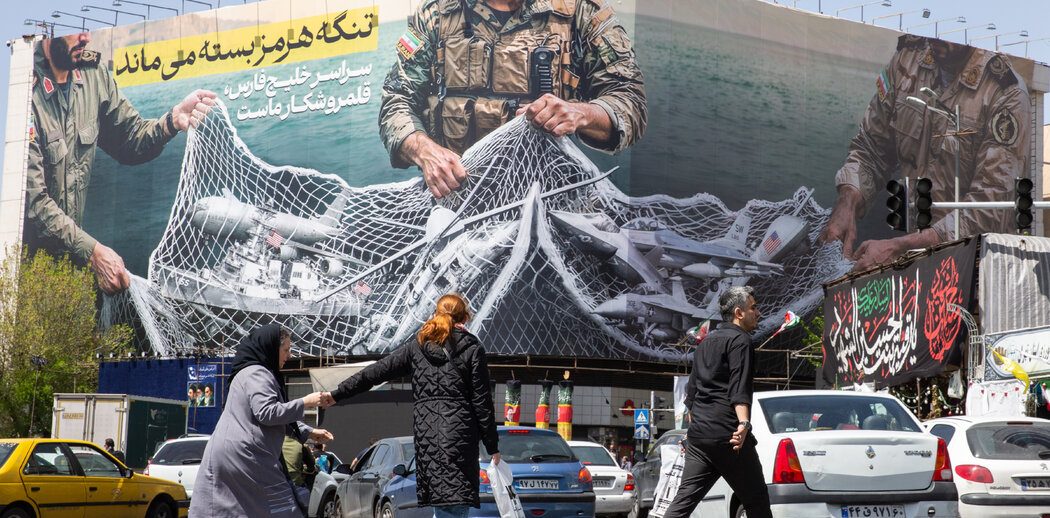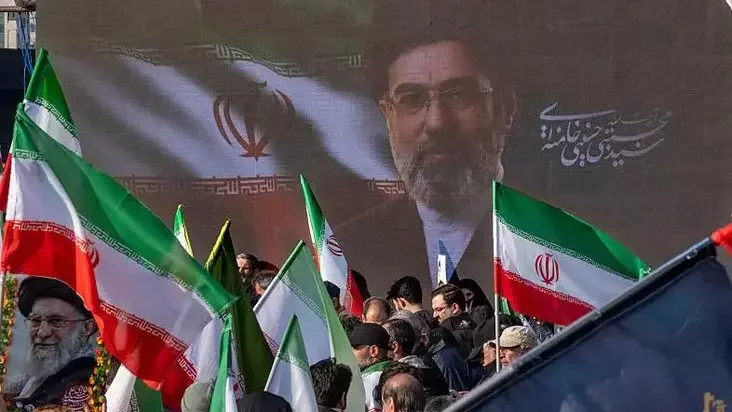
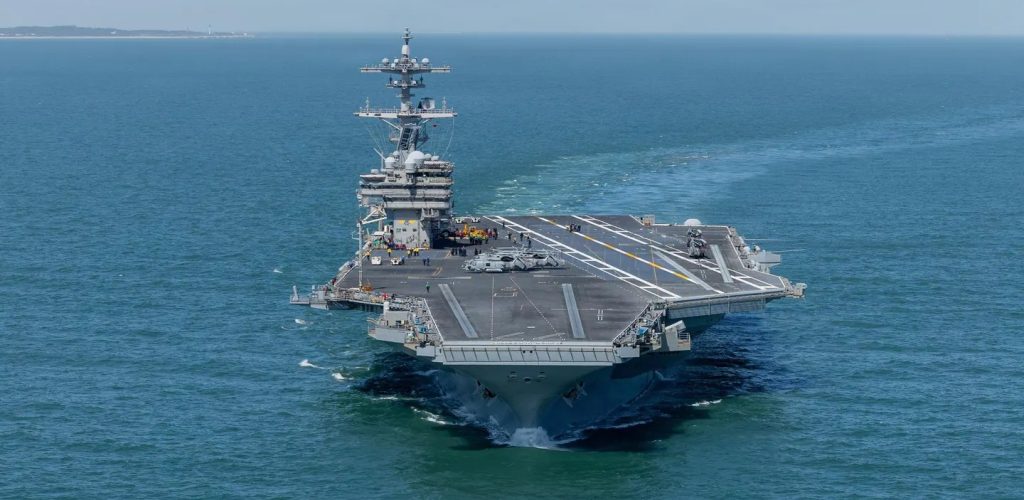
The U.S. aircraft carrier USS George H.W. Bush is operating off the coast of Namibia en route to the Arabian Sea, as part of a military repositioning that coincides with the start of a U.S. blockade of the Strait of Hormuz. The carrier is expected to join a growing naval force in the region amid escalating tensions with Iran.
Details
The carrier and its strike group chose a non-traditional route around Africa instead of transiting the Mediterranean and Red Sea, aiming to avoid high-risk regions tied to Houthi attacks in the Bab el-Mandeb and Red Sea over the past two years.
The escort group includes several destroyers and a supply ship, within a broader U.S. naval presence that also features:
• The Abraham Lincoln Carrier Strike Group operating in the Arabian Sea
• An amphibious ready group led by USS Tripoli
• Seven independently deployed guided-missile destroyers in the region
U.S. Central Command has outlined how the blockade will be enforced, targeting vessels entering or leaving Iranian ports while allowing freedom of navigation for ships not linked to Iran.
A U.S. maritime notice confirmed the end of a grace period for neutral vessels to leave Iranian ports, warning that any ship entering or exiting the area without authorization could be intercepted and inspected.
Washington has also begun preparations for mine-clearing operations in the strait, amid military warnings about the complexity of the mission due to maritime and aerial threats, as well as the need for a clear legal framework.
What’s Next?
As the U.S. expands its naval deployment and allies weigh participation in the blockade, attention is drawn to Iran’s response and the risk of escalation in one of the world’s most critical energy passages.