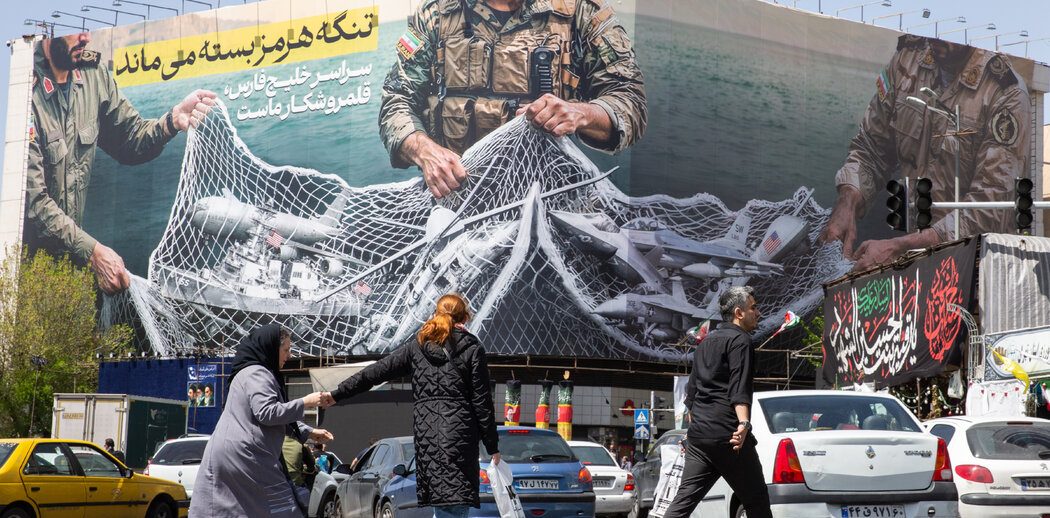
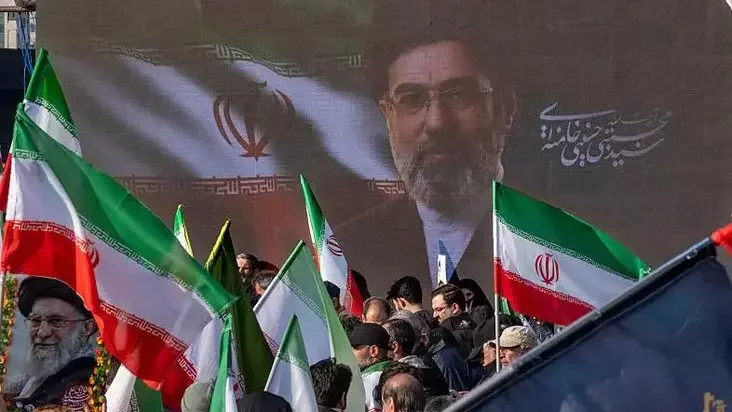
The recent war has produced a more hardline reality inside Iran, with the rise of radical leaders rejecting political compromise and pushing for both domestic and regional escalation, contrary to expectations of a more moderate shift in the regime.
Details
Estimates suggest decision-making centers in Tehran are now dominated by hardline security and military figures, while the influence of pragmatists involved in past negotiations has declined.
- The new leadership has intensified internal repression through arrests and executions, alongside escalating regional activity.
- Iran’s influence in the Strait of Hormuz has expanded, a key route for roughly a fifth of global oil supplies, raising energy security risks.
- Figures such as Mohammad Bagher Zolghadr have emerged in key roles, shaping the direction of negotiations with the United States.
- Several senior commanders face past allegations linked to external operations, reflecting the leadership’s evolving posture.
Domestically, reformist influence has sharply declined, as a power network tied to Mojtaba Khamenei gains ground, reinforcing conservative control established over the past two decades.
At the same time, a more rigid ideological framework rooted in religious doctrine is gaining traction within the system, helping explain Iran’s shift toward confrontation rather than de-escalation.
What’s Next?
The outlook points to further regional escalation and diminishing chances for diplomacy, with attention on any future negotiations and the ability of global actors to contain tensions.