Details
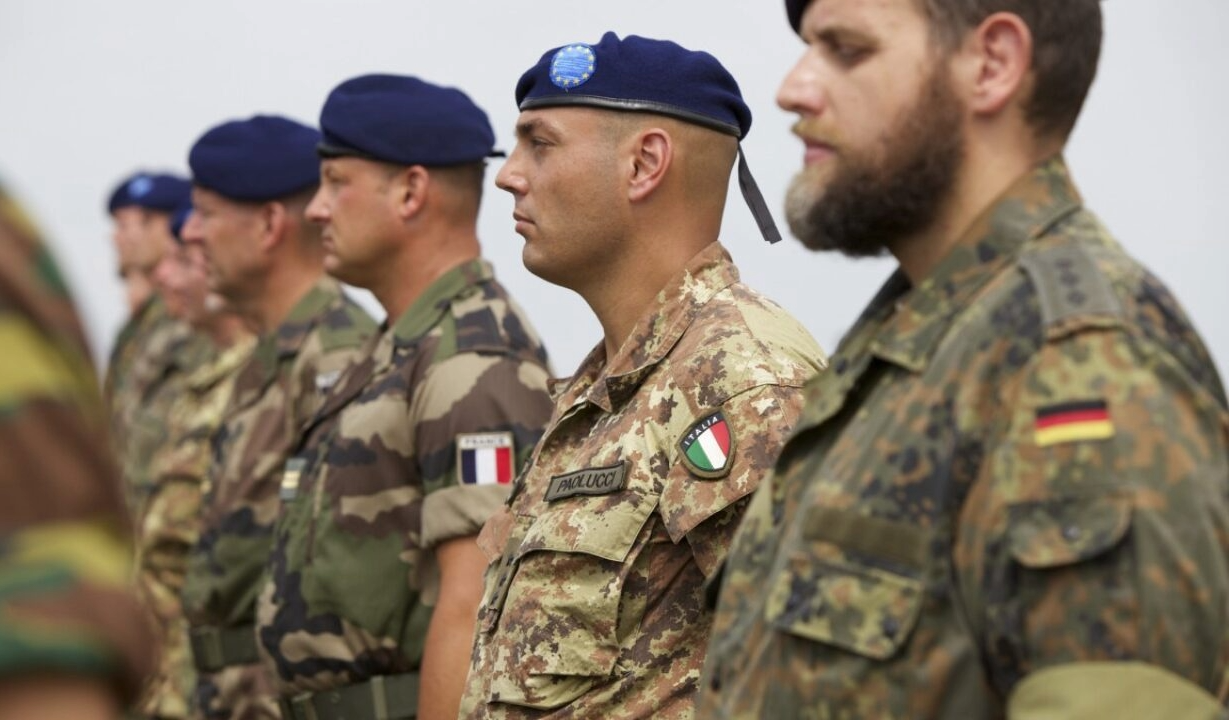
- Italian Defense Minister Guido Crosetto called for a new European-led defense system, saying the continent needs a “continental Europe of defense.”
- The proposal would bring together the European Union’s 27 members and 13 other European countries outside the bloc, including Britain, Norway, Turkey and Ukraine.
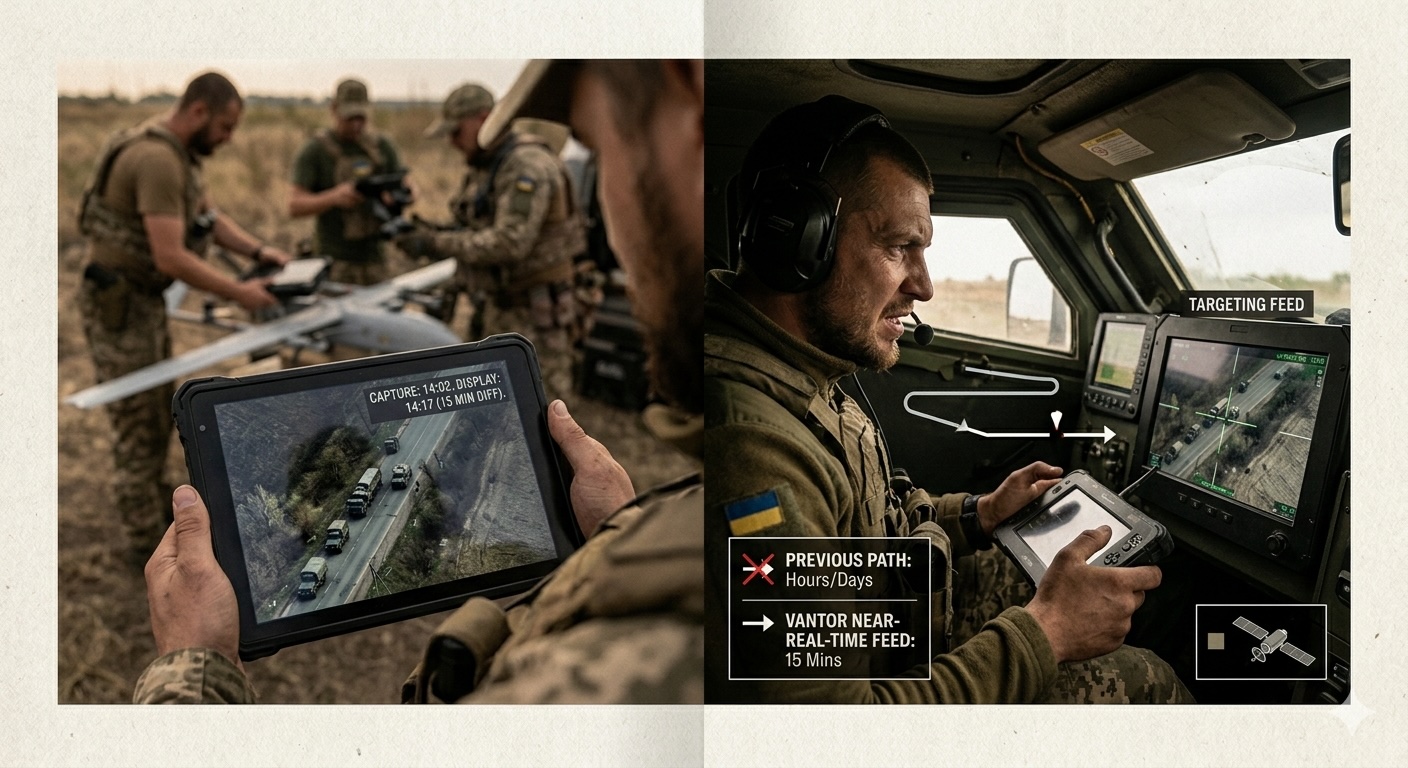
- Crosetto said Europe’s security can no longer be limited to EU members alone, and described Ukraine as a “frontline pillar” of European security.
- The plan is not being presented as an alternative to NATO. Crosetto said it should strengthen NATO’s European pillar while giving Europe more responsibility for its own security.
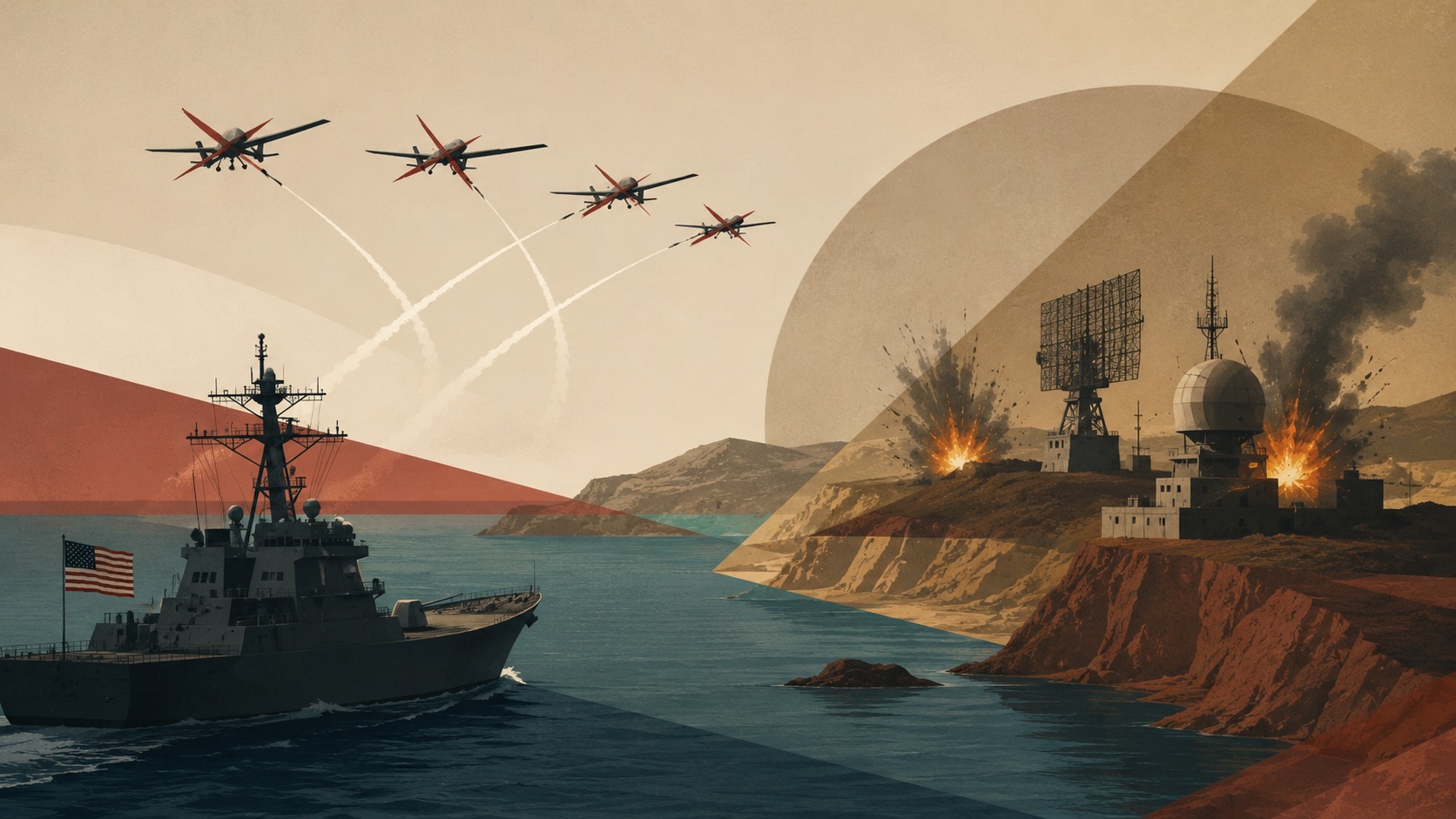
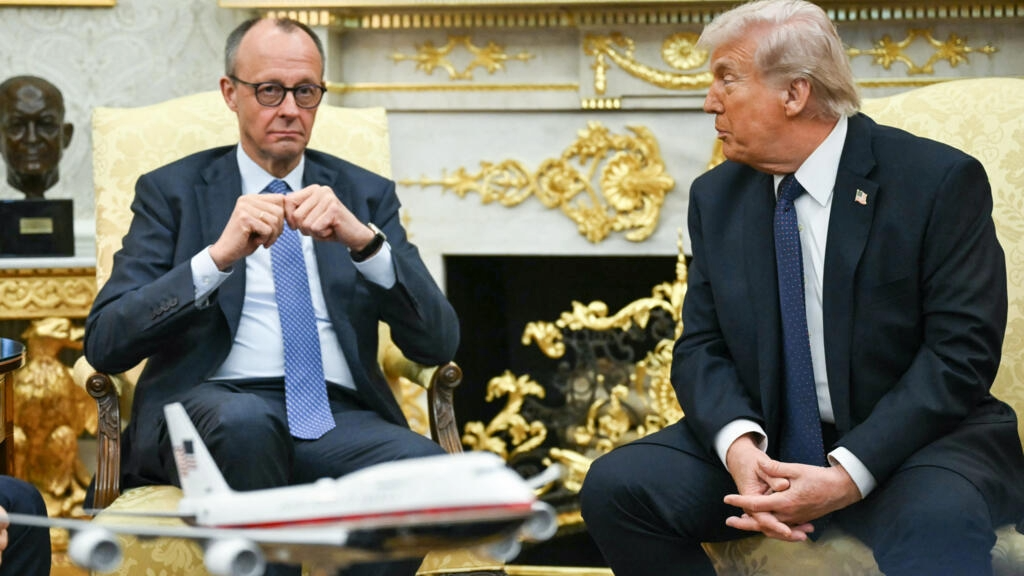
- The proposal comes as European governments reassess defense policy after Russia’s invasion of Ukraine and amid concern that the U.S. security role in Europe may weaken under President Trump.
- Crosetto said Italy had not been directly told that U.S. troops would be withdrawn from Italian territory, but Washington has continued pressing Rome and other allies to raise defense spending.
- Europe has already created the EU’s €150bn SAFE defense-loan instrument to support procurement, industrial capacity and military readiness.
- But the wider challenge is now whether European governments can turn new defense funding into public support, contracts and usable military capability.
- Italy shows the public-support problem. Rome is reportedly considering reducing its planned SAFE request from about €15bn to below €5bn, as higher military spending remains politically sensitive at home.
- Poland shows the delivery test. Warsaw has become the first EU member state to receive SAFE pre-financing, taking €6.6bn from a larger €43.7bn allocation.
- Ireland shows another side of Europe’s security gap. The neutral country is strengthening maritime surveillance as Russian hybrid threats raise concern over undersea cables, energy pipelines and shadow fleet vessels near its waters.
- Ireland has raised its defense budget for 2026 to 2030 by 55% to €1.7bn and plans to increase permanent defense personnel from about 7,500 to 11,500 in the next 2 years.
- Irish officials say neutrality is not being abandoned, but argue that neutrality does not remove the need to invest in defense as Europe faces more threats to critical infrastructure.
What Else
Italy’s proposal is unlikely to move quickly, but it reflects a broader shift in Europe’s security debate as governments prepare for a world where U.S. protection may be less certain. The main test is whether Europe can build stronger defense without moving unevenly, with frontline states spending quickly while more reluctant or neutral countries struggle to catch up.