The regional picture is beginning to tilt toward a broader containment effort, not toward a final end to the war.
On the Iranian track, Washington confirmed that contact with Tehran is continuing and that a second round of talks could be held in Pakistan.
At the same time, parallel signals pointed to Iranian optimism about the possibility of extending the ceasefire.
On the Lebanese track, Axios reported that Trump would welcome an end to hostilities between Israel and Lebanon if it comes as part of an understanding between the two sides, following U.S. contacts that included a rare meeting between Israeli and Lebanese diplomats.
Details
• The negotiating track has not been closed. The White House denied that it had formally requested an extension of the ceasefire, but said contacts with Iran remain positive and that Pakistan is still a possible venue for a new round.
• Tehran is sending mixed signals: a desire to extend the ceasefire and continue negotiations, but with core disagreements still unresolved, especially over the fate of highly enriched uranium and the duration of restrictions on the nuclear program.
• Lebanon has returned to the forefront as part of the wider de-escalation picture.
• Axios said that any ceasefire between Israel and Lebanon is not formally part of the Iran negotiations, but it could help Trump push a broader path toward an agreement. At the same time, the Israeli government has not yet made a final decision.
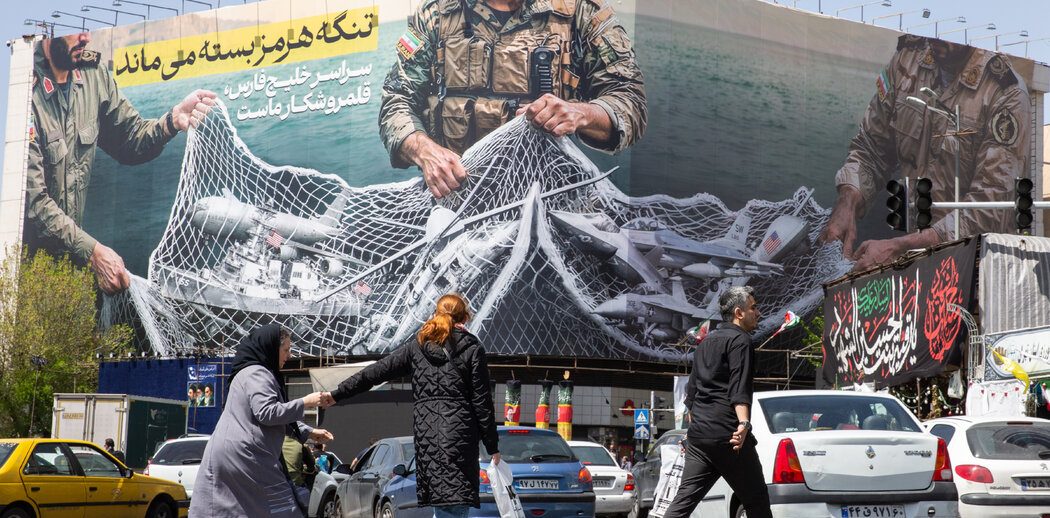
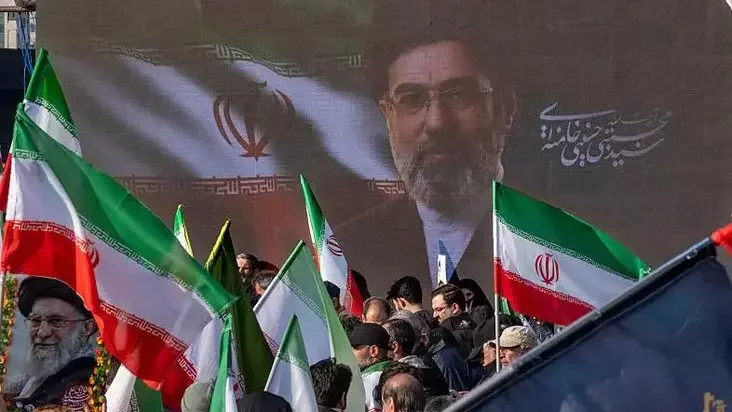
• The New York Times argues that Trump’s central problem is that the war is not fully bending to his narrative. The rise of Mojtaba Khamenei, the growing influence of the Revolutionary Guards, and the continued disruption in Hormuz all suggest that what changed inside Iran is not necessarily change in a more moderate direction. That weakens the argument that the war produced a politically comfortable outcome for Washington.
• The Wall Street Journal adds another layer. Yes, the war has severely strained Iran economically, but that does not mean a rapid surrender. The damage hit petrochemicals, steel and transport, while the blockade on ports is compounding daily losses. This puts pressure on Tehran to negotiate for sanctions relief, not to accept every U.S. condition.
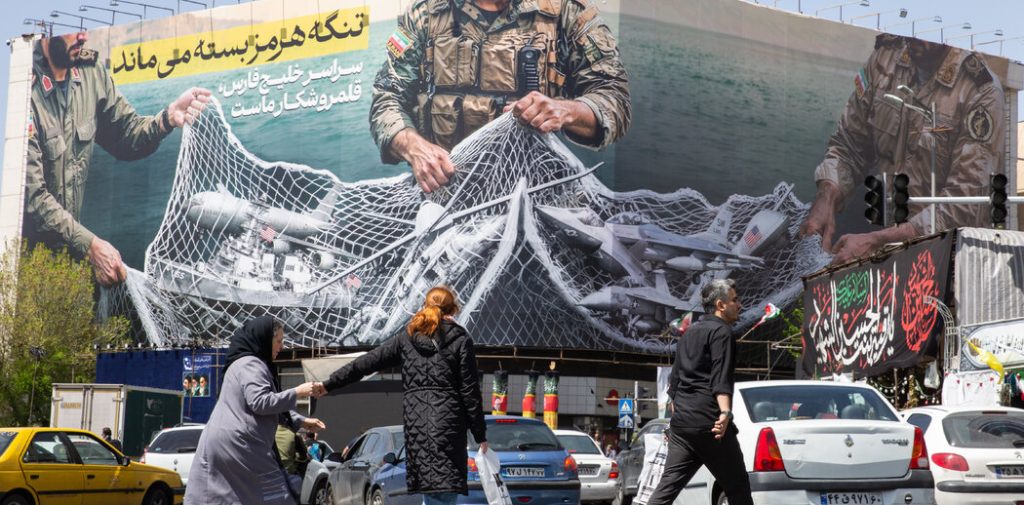
• That explains the current contradiction: Iran is under enough economic pressure to keep the negotiating door open, but it still retains powerful disruption tools in Hormuz and across the region, making any agreement harder than a simple declaration of political victory.
What next?
The next test turns on three practical questions: 1- Will the ceasefire actually be extended? 2- Will a second round be held in Pakistan? 3- Will the U.S. language on Lebanon translate into an actual ceasefire that eases pressure on the Iranian track?
If these tracks move together, this could mark the beginning of a broader settlement. If they stall, the war could return through the nuclear file, Hormuz, and the Lebanon front all at once.