The latest
U.S.-Iran talks have entered a more fragile phase after Rubio tied any diplomatic progress to one clear demand: Iran must reopen the Strait of Hormuz first.
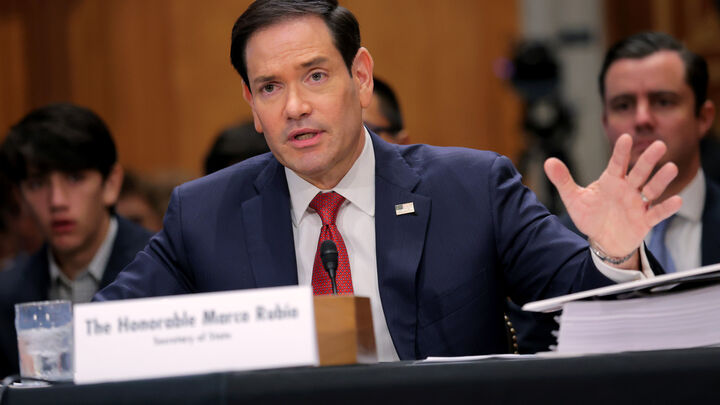
Testifying before the Senate Foreign Relations Committee, Rubio said an interim agreement with Iran could happen “today, tomorrow or next week.” But he warned there is no guarantee the talks will produce a deal Washington can accept.
Rubio said any agreement must be acceptable to the Senate and the American people. The message was clear: the Trump administration does not want to look like it is rewarding Tehran simply for reopening a waterway it had no right to close.
Details
• Rubio said reopening the Strait of Hormuz is the “predicate to anything else happening,” adding that “the straits have to be reopened.”
• The draft understanding under discussion would reportedly extend the current ceasefire by 60 days.
• Under the preliminary framework, Iran would reopen the Strait of Hormuz, while the United States would facilitate the release of frozen Iranian assets.
• The draft also includes the start of talks on Iran’s nuclear program and sanctions relief.
• Rubio did not present the deal as a sure path. He said failure would leave the United States still facing the problem of Iran’s nuclear ambitions.
• But he argued that Iran would no longer have the “conventional shield” it once used to protect its nuclear project.
• In that sense, Rubio defended the war as a campaign that degraded Iran’s conventional military capabilities.
What to watch
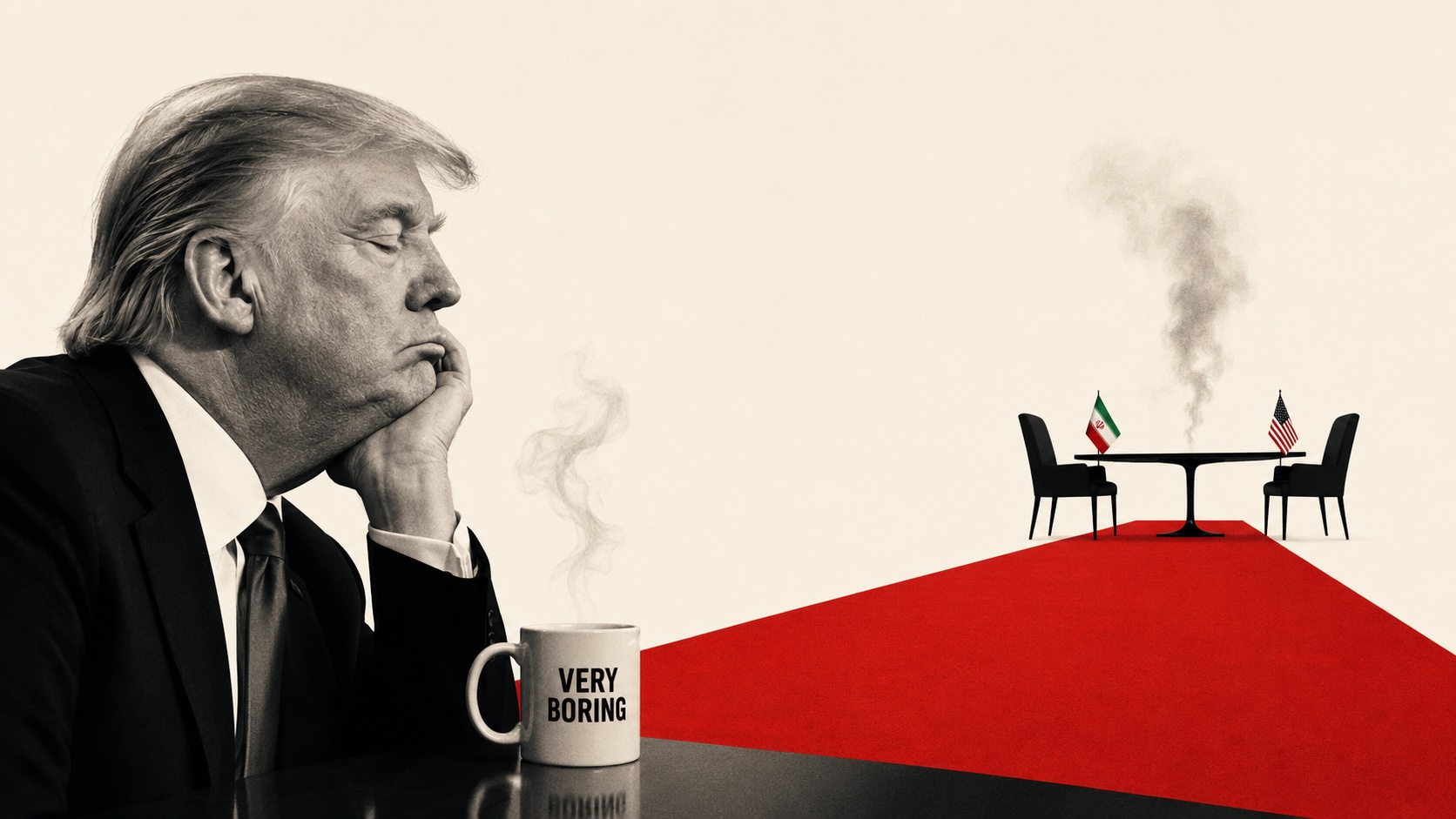
The first test is Tehran’s position on the Strait of Hormuz.
If Iran reopens it, the talks will move to harder questions: frozen assets, sanctions and the nuclear file. If it refuses, the ceasefire will remain close to collapse.
Rubio’s message was blunt: a deal may be close, but it is not guaranteed. Even if one is reached, it still has to survive the test of U.S. domestic politics.
Source: