News
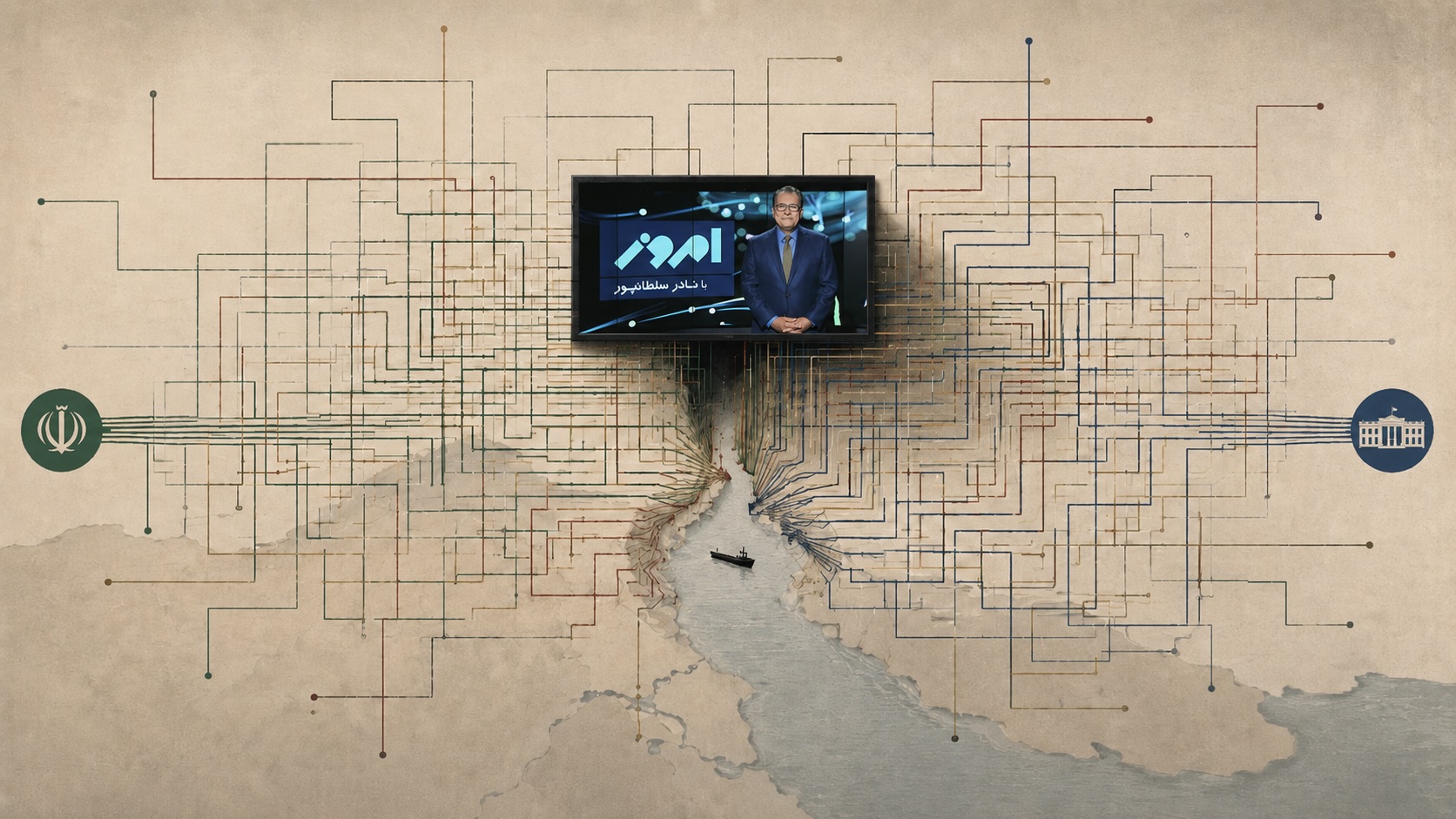
Iran has begun easing one of the harshest internet isolation campaigns in its modern history, after nearly three months in which millions of Iranians lived inside a limited, censored “domestic internet” that allowed only state-approved apps and websites.
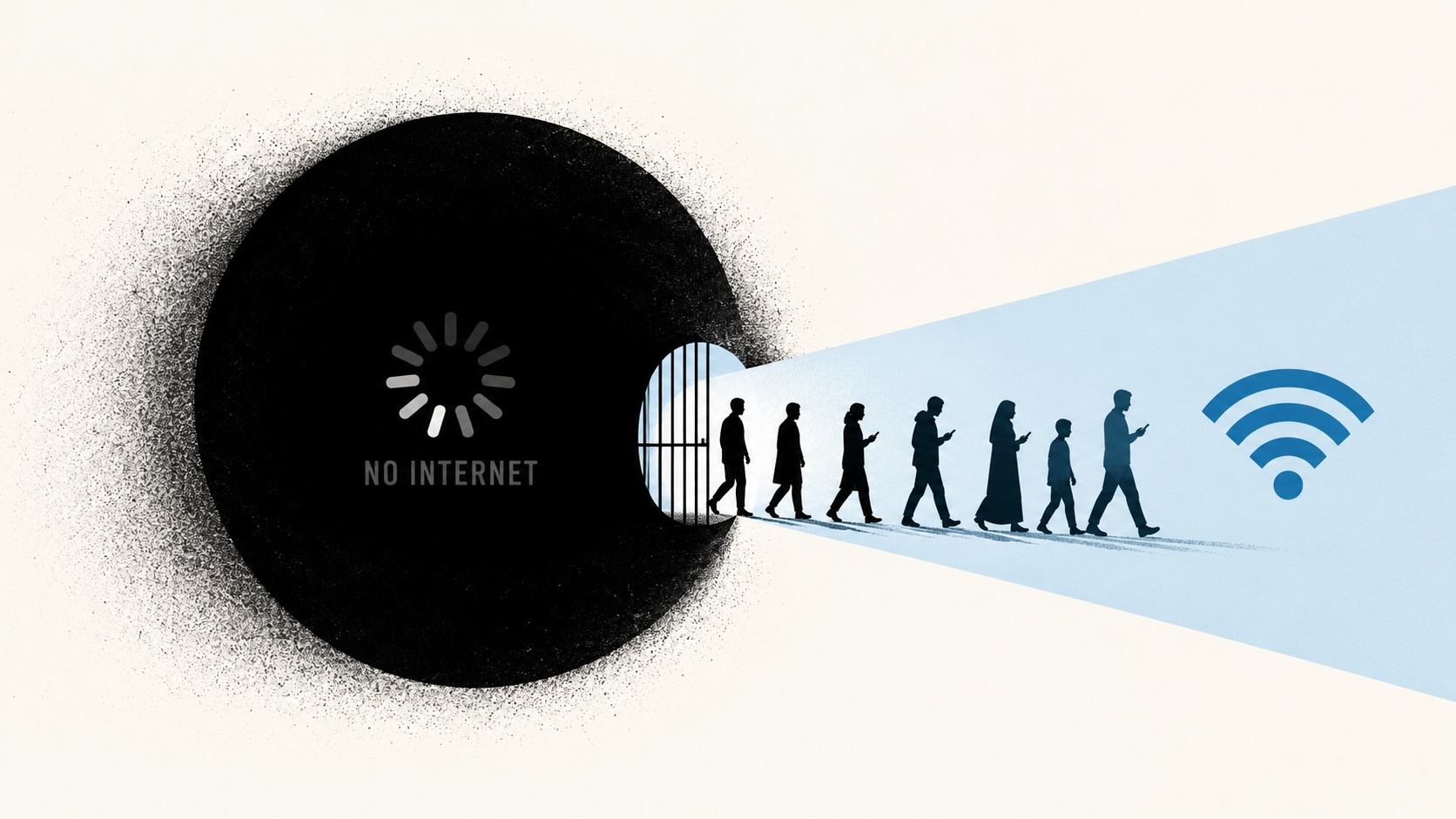
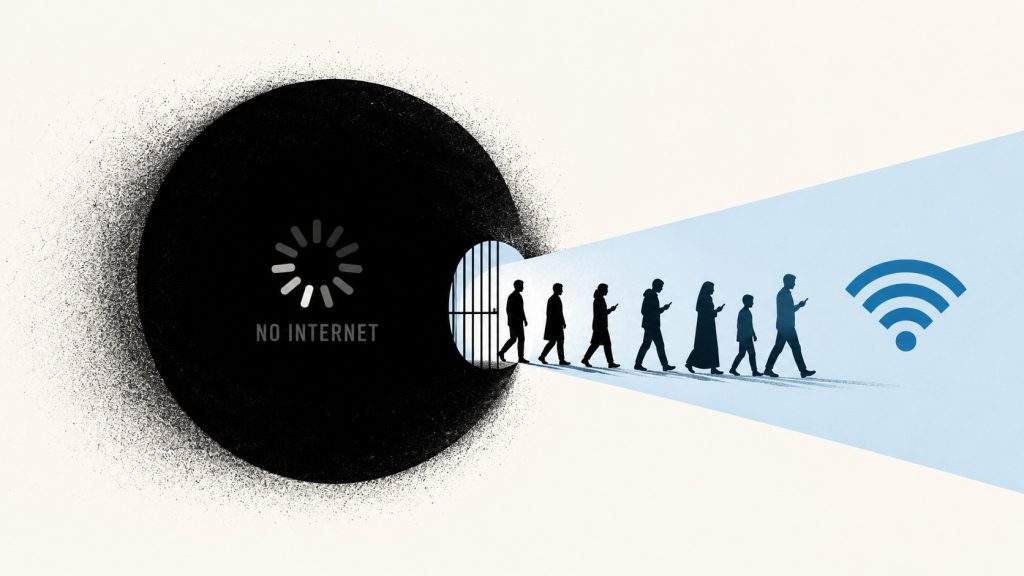
According to media reports, many Iranians felt they had emerged from a “black hole” after 88 days of being cut off from normal communication with the world. But the return remains incomplete and uncertain, because access has not reached everyone, and many fear it may be only a temporary window.
Details:
• The easing of restrictions began after a decision by a working group formed by President Masoud Pezeshkian to set a new internet policy, amid broad public anger and mounting economic losses.
• Iran’s judiciary tried to halt the reconnection process, citing complaints against the decision, exposing divisions within state institutions over who holds the final authority.
• During the shutdown, most Iranians could only use a closed domestic network made up of monitored and censored services and websites.
• The result was widespread deprivation from independent news, normal communication with relatives, and work, business, and study tools.
• Many described the experience as psychological more than merely economic: fear, isolation, disconnection from reliable news, and a sense of humiliation because access to a basic daily service had become a privilege the state could grant or withdraw.
• Economically, Iranian entities estimated the shutdown’s losses at tens of millions of dollars per day.
• Iran International cited the head of the knowledge economy committee at Iran’s Chamber of Commerce as estimating direct losses at between $30 million and $40 million per day, with the total impact potentially rising to around $70 million or $80 million per day when indirect losses are included.
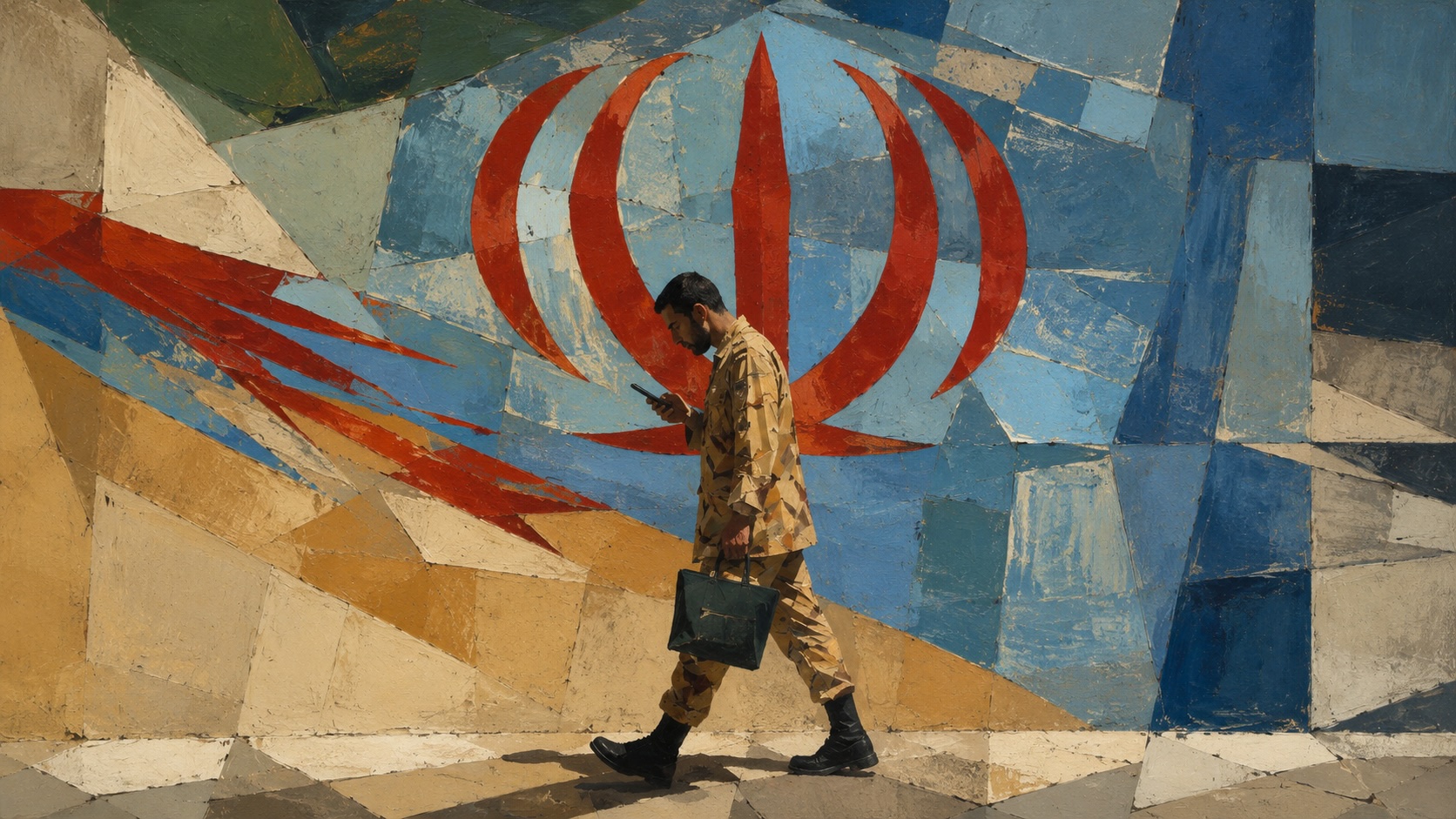
• The restrictions were not equal. According to internet freedom activists, officials and selected elites received broader access through what is known as selective authorization or “whitelisting,” while large segments of society, especially those with less technical or financial capacity, remained almost isolated.
• NetBlocks and other monitoring platforms recorded a gradual improvement in international connectivity, but reports said the restoration does not mean censorship has ended.
• Major social media platforms remained blocked or accessible only through circumvention tools, while connection levels remain below normal.
• Iranian authorities justified the shutdown on security grounds after the war with the United States and Israel that began on February 28.
• Rights groups and activists believe the digital isolation was also used as a tool to control the narrative, suppress protests, and prevent information from flowing from inside the country to the outside world.
• This was not the first shutdown in a single year. Earlier waves followed the June war and then the January protests, before the latest blackout became the longest and widest digital isolation campaign Iran has seen in this phase.
What’s Next?
The coming days will be both a technical and political test. If connectivity continues to return gradually, Pezeshkian’s government may try to present it as a concession to absorb public anger and rescue the digital economy.
• But if security or judicial institutions succeed in restoring the restrictions, Iran will effectively return to a model of the internet as an authoritarian tool: access for elites, and a monitored domestic network for the rest of the population.
Sources: