The latest
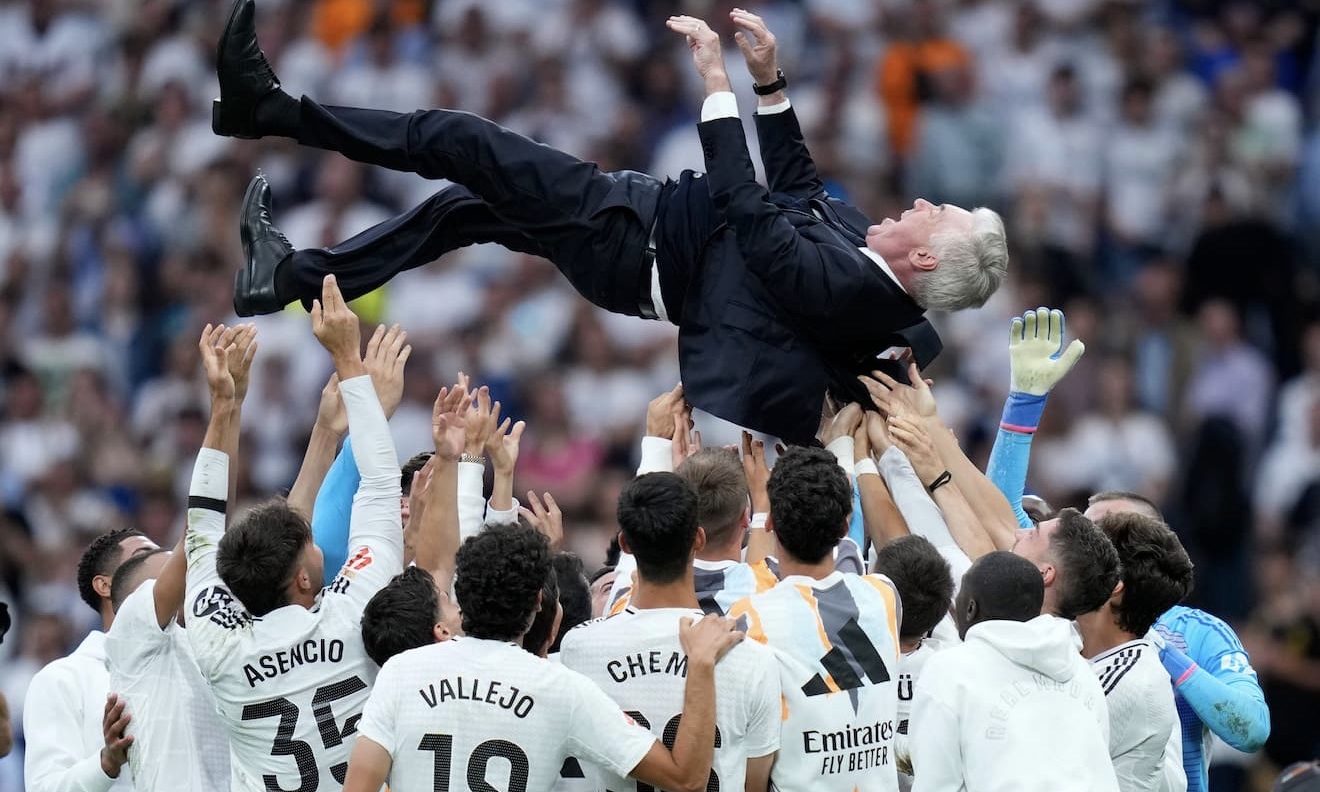
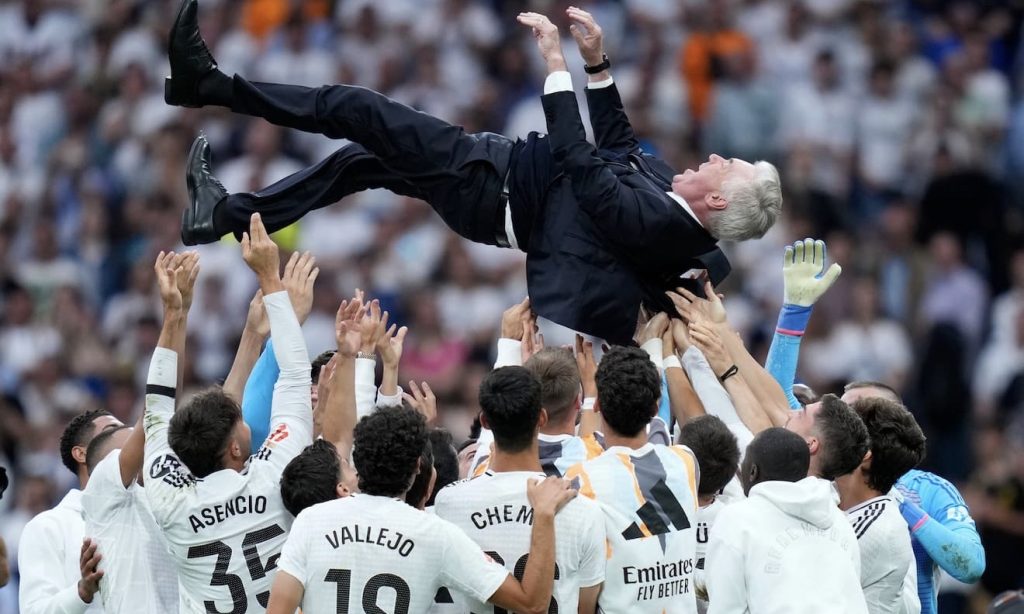
More than two decades after Brazil last won the World Cup, the country has turned to Carlo Ancelotti, the most decorated club coach in football history, to lead the tournament’s most successful national team.
The decision was jarring for a country used to exporting players, coaches and style. For the first time, a foreigner will lead the Seleção at a World Cup.
But Brazil’s crisis has made the unthinkable possible. The five-time champion has not won the tournament since 2002. The 7-1 defeat to Germany on home soil in 2014 still haunts the national imagination.
Details
• A foreign coach with a delicate mission: Ancelotti has won the Champions League five times and league titles in Italy, England, France, Germany and Spain. Brazil is different. He is being asked to lead a country that wants to win, but still wants to win in its own image.
• A search for Brazil’s soul: Ancelotti says Carnival captures what Brazil needs: energy, joy and organization. His answer is not to copy Europe, but to blend modern discipline with the freedom of Brazilian players.
• Neymar as the last symbol: Neymar, now 34, is likely heading into his final World Cup. He is one of the last major links to the image of Brazil’s “Beautiful Game.” Ancelotti included him despite injuries and doubts, arguing that his experience and standing inside the squad still matter.
• Belief is low: One poll found that only 29% of Brazilians think the team will win the World Cup. It is the first time confidence has fallen below 50% since the survey began in 1994.
• A team searching for cohesion: Brazil has had four coaches in four years. Ancelotti’s results so far have not fully convinced the public, with wins, setbacks and performances that have yet to settle the identity question.
• The Italian paradox: Brazil has hired a coach from a country long associated with defensive discipline. Ancelotti’s response was blunt: World Cups are won by the team that concedes the fewest goals.
Why it matters
Brazil does not just want a sixth World Cup. It wants proof that its football soul is still alive.
But the game has changed. Brazilian talents leave early for Europe. Football is faster, more tactical and leaves less room for improvisation. Jogo bonito alone is no longer enough.
Ancelotti’s bet is a middle path: European defensive structure, with an attack that still lets Brazilians play like Brazilians.
If it works, he could restore both the trophy and the identity. If it fails, it may show that Brazil’s crisis runs deeper than the coach.
What to watch
The early matches will tell the story. Brazil must show it can be organized without becoming flat, and joyful without losing control.
Source: The Washington Post.