The latest
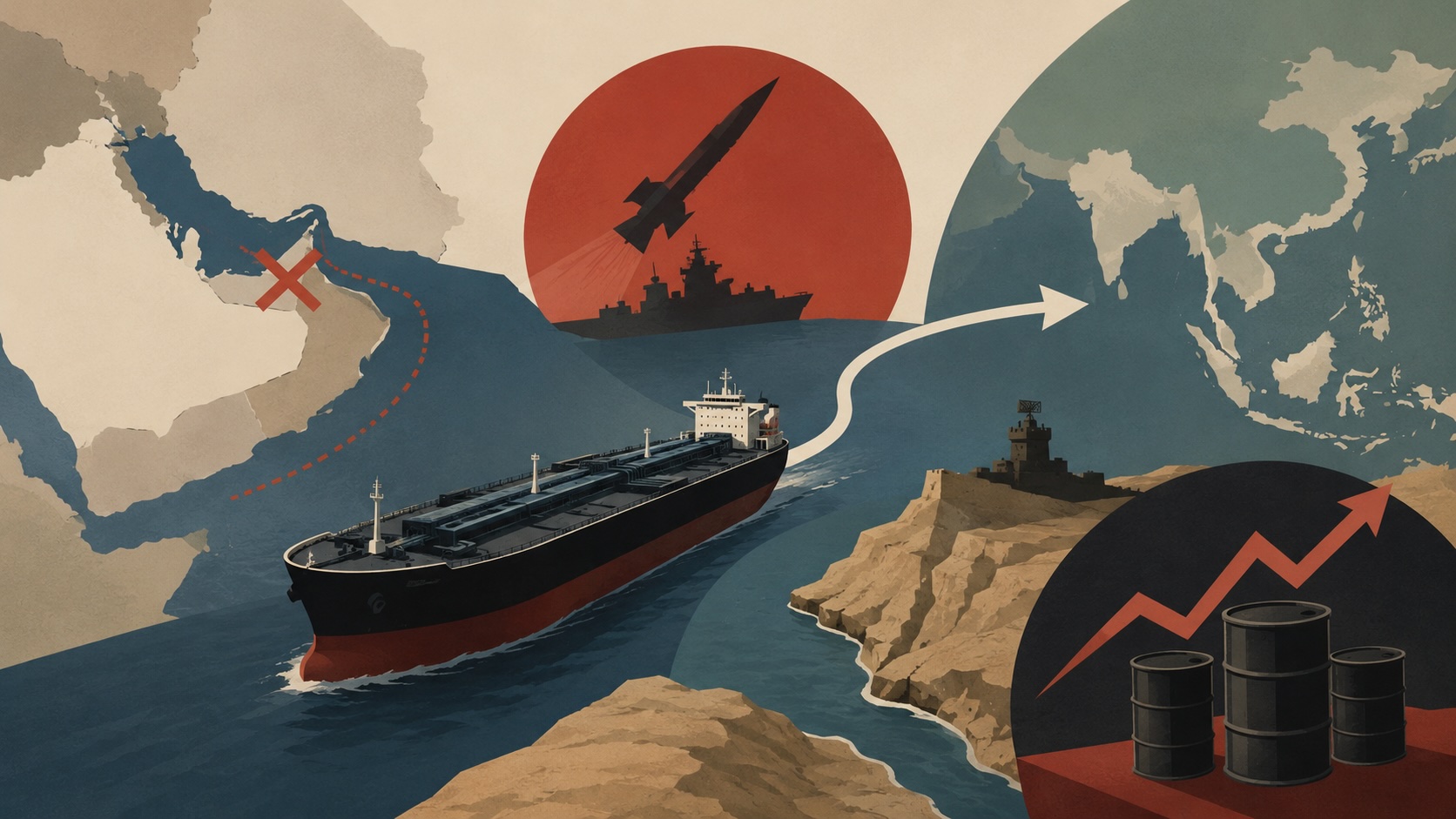
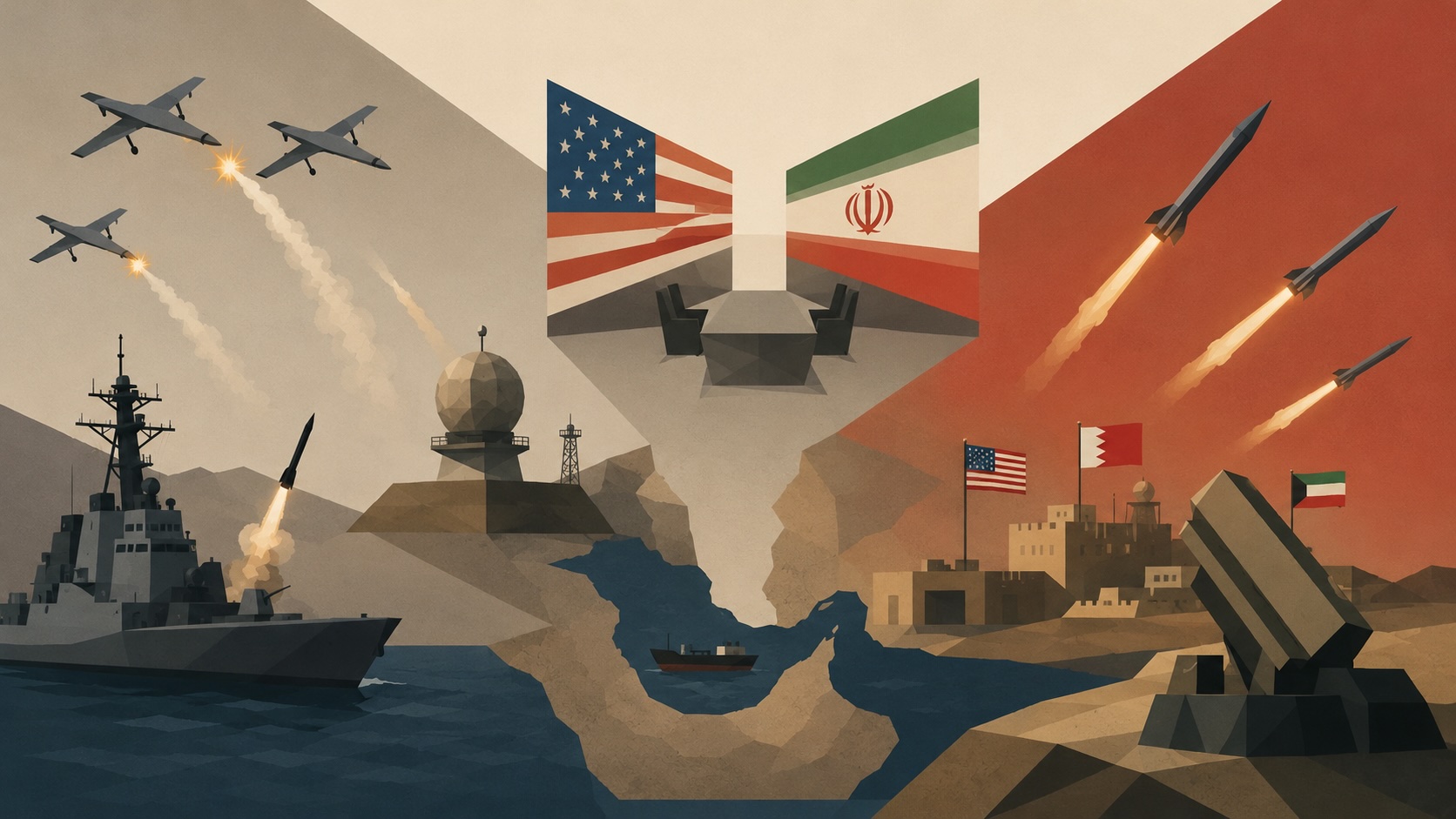
U.S. forces shot down four Iranian attack drones heading toward the Strait of Hormuz, then struck Iranian coastal radar sites near one of the Gulf’s most sensitive maritime corridors.
CENTCOM said the drones posed an immediate threat to regional shipping. It said the follow-up strikes hit radar sites in Goruk, in Iran’s Hormozgan province, and on Qeshm Island to prevent further attacks.
This was not an isolated exchange. It fits a growing pattern of U.S.-Iran tit-for-tat strikes involving drones, missiles, surveillance sites and command infrastructure around southern Iran.
Details
• The target: The U.S. strikes hit Goruk in Hormozgan province and Qeshm Island near the Strait of Hormuz. They did not target Kharg Island, which lies near Bushehr and is known for oil export facilities.
• Why the U.S. struck: Washington said the Iranian drones were an immediate threat to maritime traffic, and that hitting the radar sites was meant to prevent further attacks near the strait.
• A familiar pattern: Iran tests pressure through drones and missiles. The U.S. responds with limited strikes on surveillance sites or military infrastructure linked to those attacks.
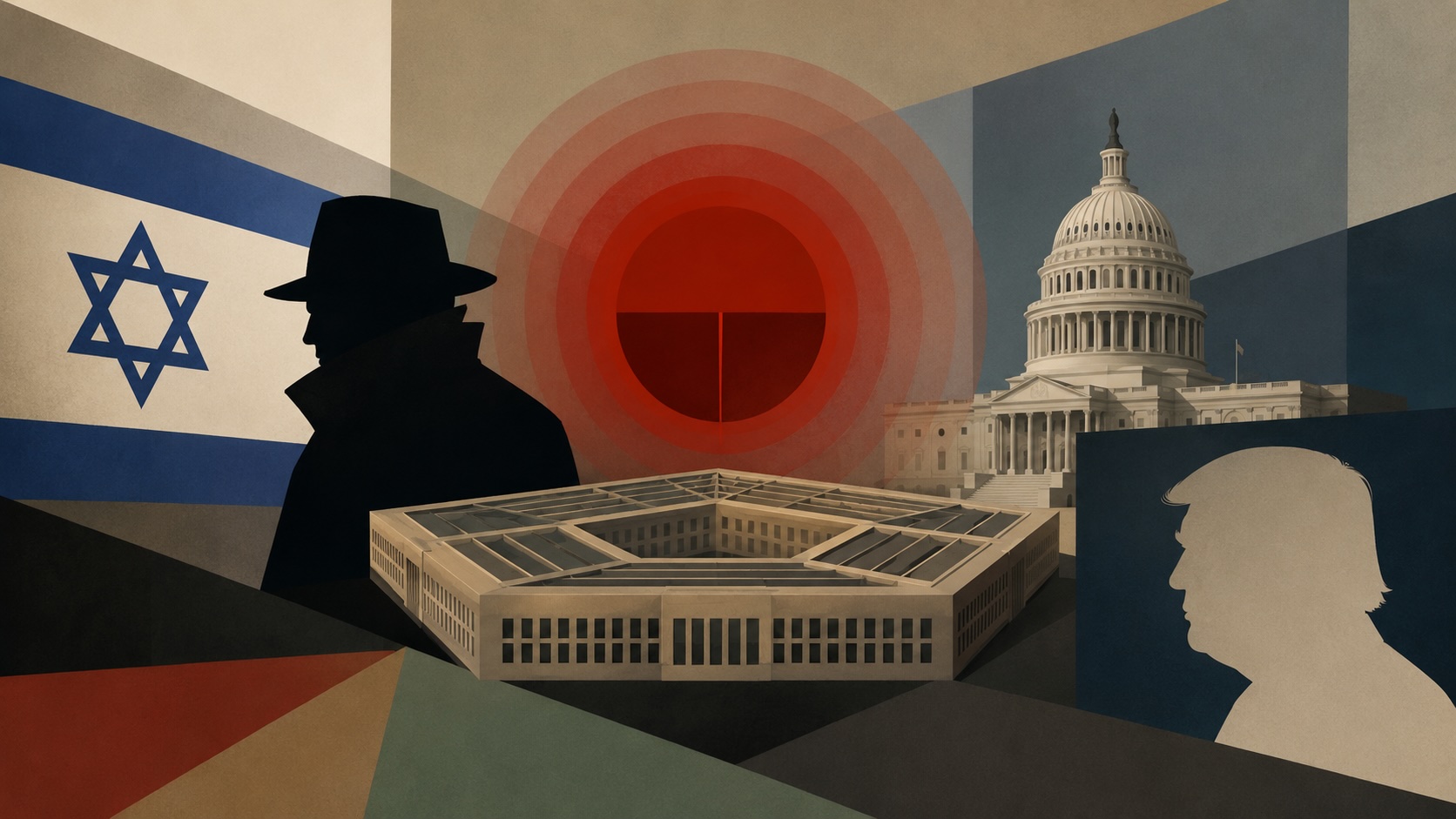
• Trump lowers the tone: Despite the escalation, President Donald Trump said the conflict with Iran is “mostly concluded,” while leaving open a harder path if diplomacy fails.
• Congress pushes back: The continued operations have drawn scrutiny in Washington, with lawmakers moving to restrict Trump’s war powers as the confrontation with Iran drags on.
Why it matters
The Strait of Hormuz is back at the center of the confrontation.
Washington wants to stop Iran from using drones and coastal radar to pressure shipping. Tehran, meanwhile, appears determined to keep the cost of the standoff high for the U.S. and its Gulf allies.
The risk is that the strikes remain “limited” politically, while still undermining confidence in shipping, insurance and energy flows.
What to watch
The key question is whether the strikes remain limited to drones and surveillance sites, or expand to broader Iranian military infrastructure near Hormuz.
Gulf states also matter. With maritime routes, airports and bases increasingly exposed, one miscalculation could turn a fragile ceasefire into a wider fight.