The latest
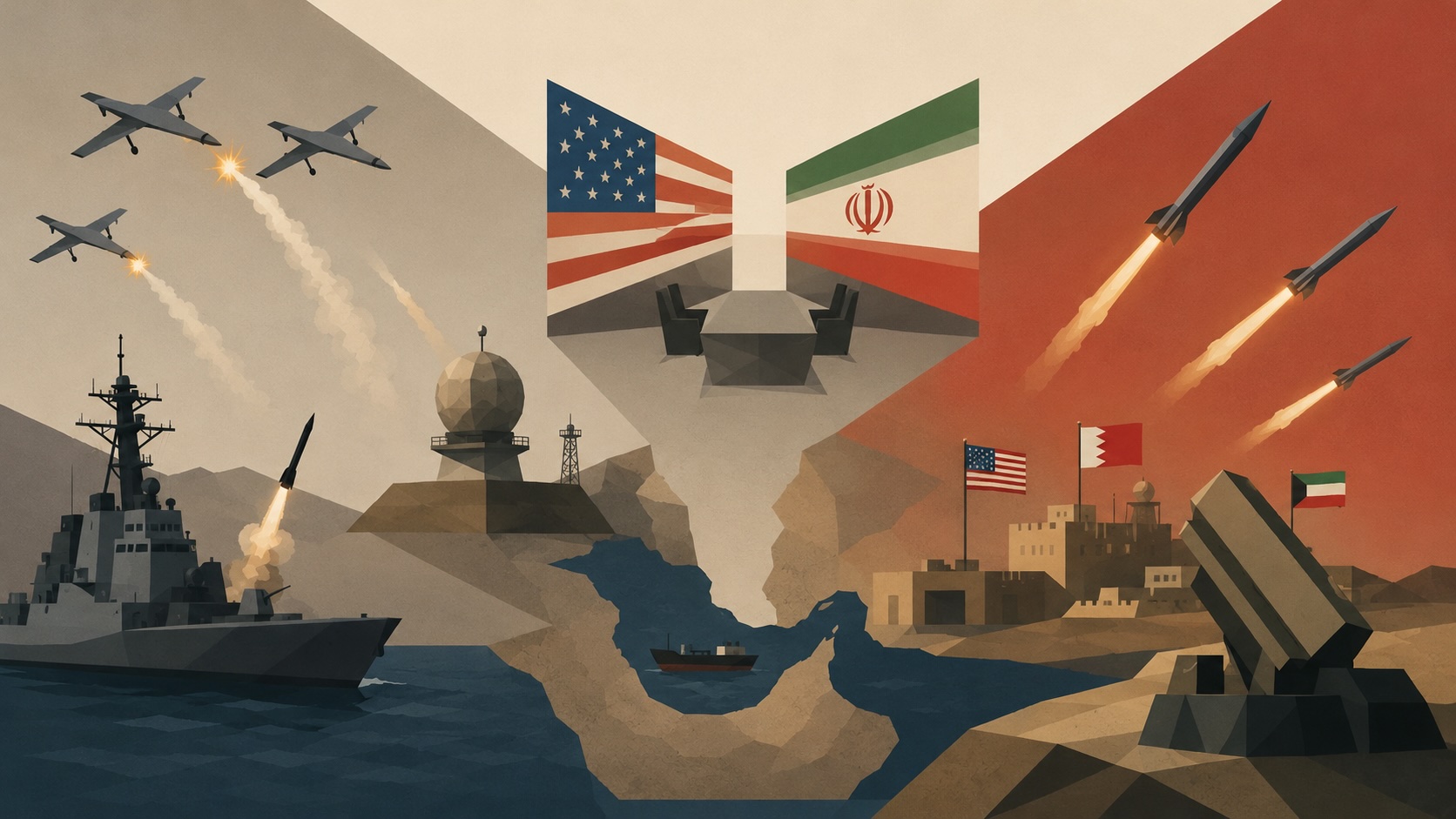
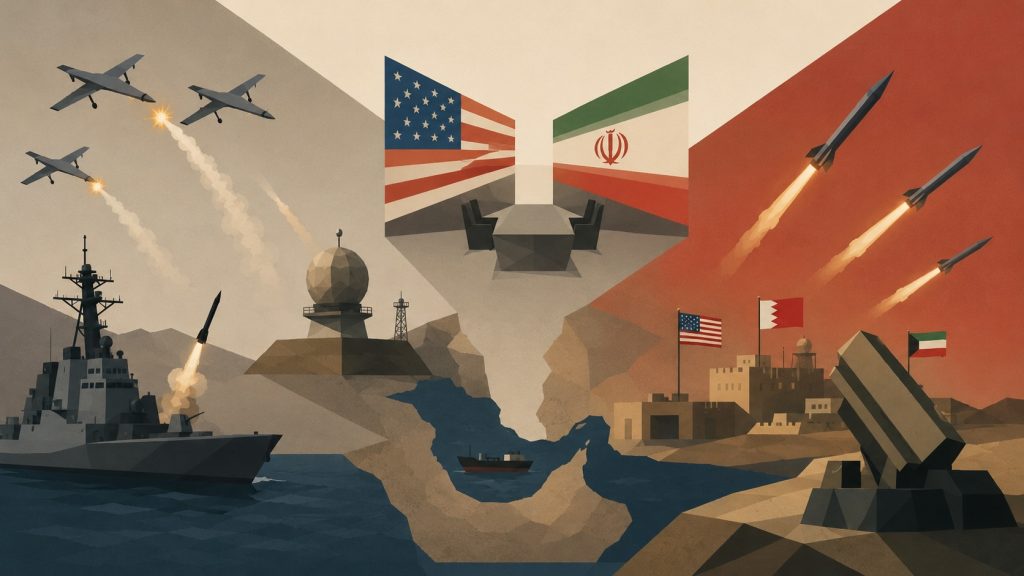
The United States and Iran exchanged new military strikes in the Gulf over the past several hours, marking one of the most sensitive escalations near the Strait of Hormuz since the current confrontation began.
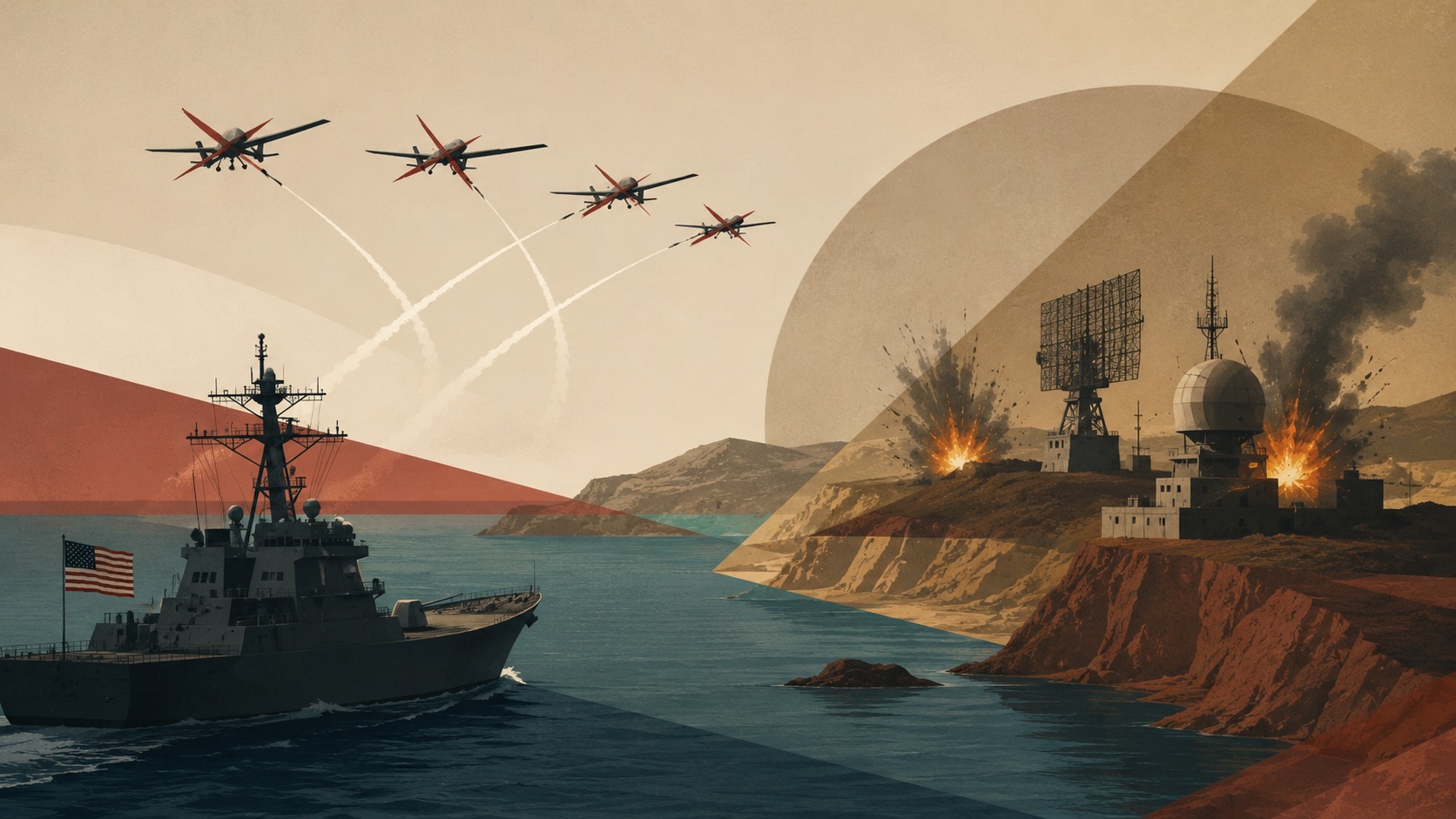
U.S. Central Command (CENTCOM) said it targeted coastal surveillance radar positions in southern Iran near Bandar Abbas after intercepting four Iranian drones that it said were heading toward the strategic waterway.
Iranian media reported that the U.S. strike hit a site behind Larak Island off the coast of Bandar Abbas, while Tehran described the drone launch as a warning message.
Hours later, air raid sirens sounded in Kuwait and then Bahrain as local military authorities activated air defense systems in response to incoming threats.
Iran’s Islamic Revolutionary Guard Corps claimed responsibility for the missile attack, saying it targeted U.S. military bases in the region in retaliation for American strikes inside Iran.
The Guard also said the drones launched over the Strait of Hormuz were aimed at four oil tankers that it claimed were attempting to transit the waterway without authorization.
According to the U.S. military, six of seven ballistic missiles fired toward Kuwait and Bahrain were intercepted. No casualties or major damage were reported.
Details
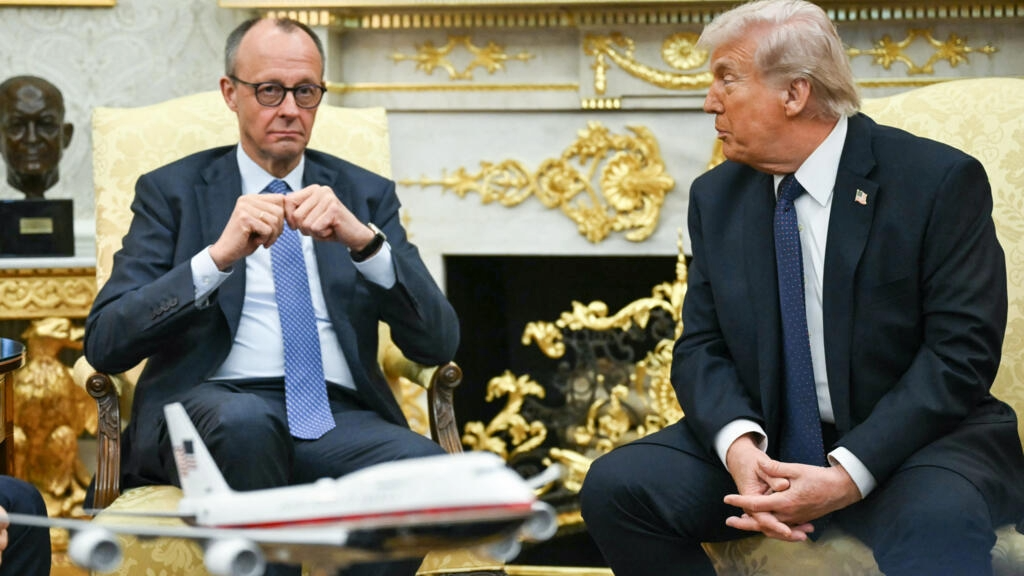
• President Donald Trump defended his administration against criticism over the pace of negotiations with Iran, arguing that a conflict stretching back decades could not be resolved within a few months.
• In an interview with NBC, Trump said a large share of Iran’s missile and drone infrastructure had been destroyed during the war, while acknowledging that Tehran still retains missile and drone stockpiles.
• Previous U.S. intelligence assessments cited by American media outlets suggested Iran continues to possess a significant portion of its missile arsenal and launch capabilities despite recent strikes.
• Axios reported that Trump requested additional changes to a draft understanding being negotiated with Tehran, while Iran is expected to seek amendments of its own.
• Mohsen Rezaei, a military adviser to Iran’s Supreme Leader, said the prospects for an agreement now depend on Washington approving the release of roughly $24 billion in frozen Iranian assets held abroad.
• The U.S. position remains that any release of those funds must follow concrete Iranian steps addressing its nuclear program.
What to watch
The latest exchange highlights the growing risk of a broader confrontation in the Gulf, even as diplomatic channels remain open. The key question now is whether the escalation near the Strait of Hormuz will push Washington and Tehran closer to a deal or trigger another round of military retaliation.