The latest
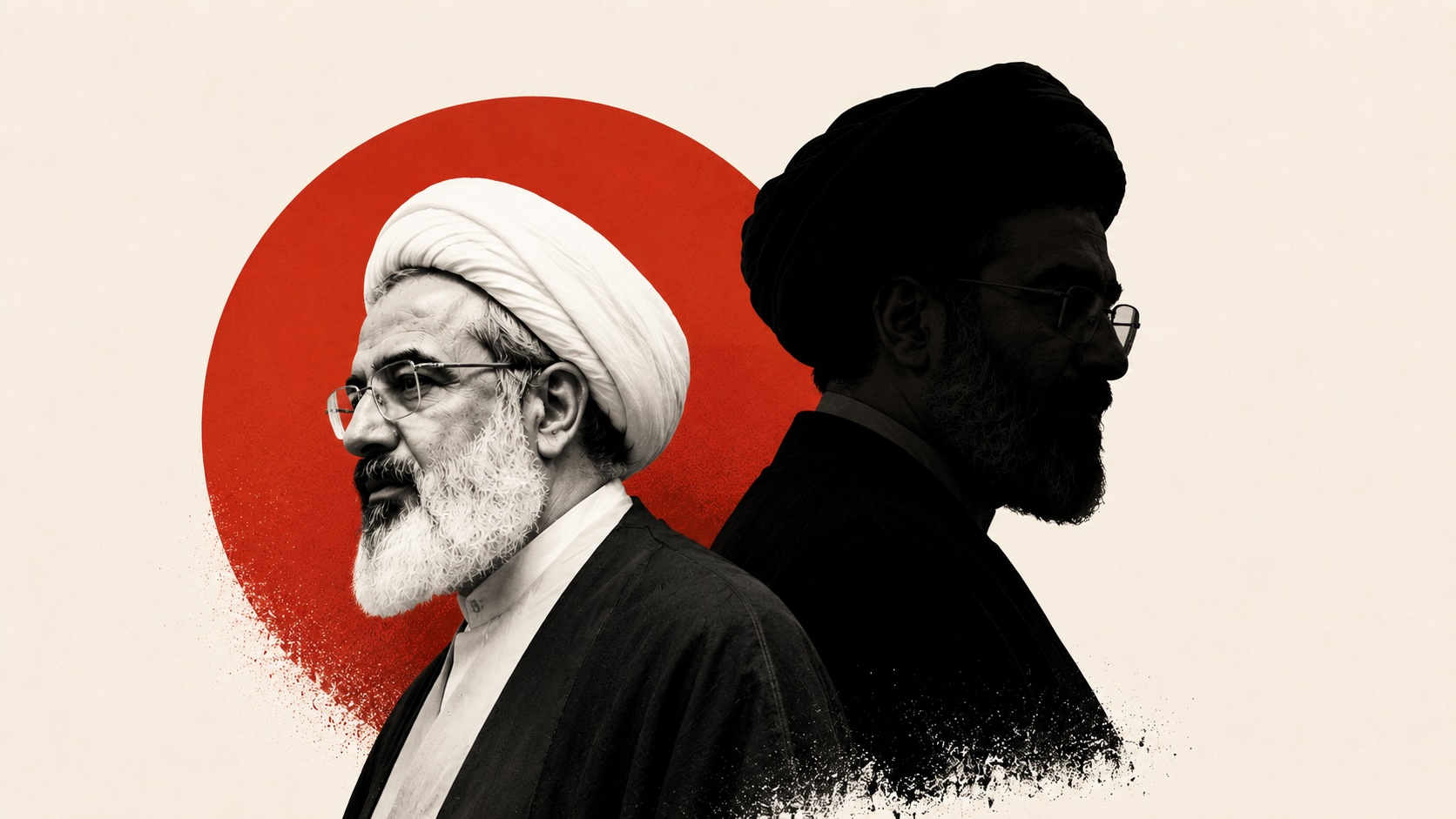
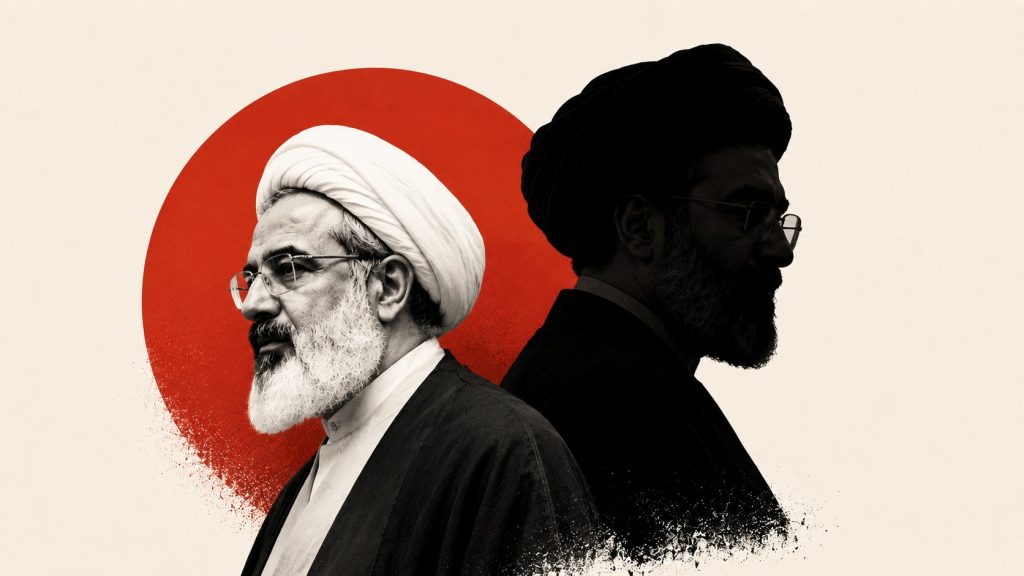
Three months after Ayatollah Ali Khamenei was killed in U.S.-Israeli strikes on Tehran, his successor remains missing from public view.
Mojtaba Khamenei was appointed Supreme Leader by the Assembly of Experts on March 9. Since then, no public photo, video or audio recording of him has been released. Only written statements have been issued in his name, including a May message saying regional countries would no longer serve as launchpads for U.S. military bases.
Those statements have not ended doubts over his health — or over who is running Iran during the most serious war the country has faced.
Details
• On Tuesday, Abdollah Haji Sadeghi, the Supreme Leader’s representative to the IRGC, called on authorities to brief Iranians more clearly on the course of the war.
• Haji Sadeghi pointed to Ali Khamenei’s conduct during the 12-day war with Israel in 2024, when he addressed the public directly.
• “Our martyred Imam would take the microphone, speak to the people and reassure them,” Haji Sadeghi said, adding that people should receive updates so “the enemy” cannot exploit the information gap.
• The appeal was notable because it came from inside the IRGC’s orbit, not from the opposition or foreign media.
• Reports on Mojtaba Khamenei’s condition have varied since the February 28 strikes. One account said he suffered a fractured foot, bruising around his left eye and minor facial wounds.
• A diplomatic memo based on U.S. and Israeli intelligence, cited by The Times of London in April, gave a darker assessment. It said Khamenei was being treated in Qom in serious condition and was unable to take part in regime decision-making.
• Iranian officials have rejected those reports. Foreign Minister Abbas Araghchi said the new leader was in “excellent health” and “in control of the situation.”
The IRGC moves to the front
Mojtaba Khamenei’s absence has coincided with a broader shift in the regime’s center of gravity.
Media reports say real authority has moved from the Supreme Leader’s office to a narrow wartime circle built around the IRGC and the Supreme National Security Council. Mojtaba’s role, in that reading, has become closer to approval than daily command.
The issue became more sensitive last week after Iran International reported that President Masoud Pezeshkian had submitted a resignation letter to the Supreme Leader’s office. The report said he accused the IRGC of sidelining the civilian government from critical decisions.
Iranian authorities denied the report. A deputy communications official in Pezeshkian’s office called it “foreign media misinformation.”
What to watch
Haji Sadeghi’s call does not answer the central question of power in Tehran. But it shows the regime is worried about a leadership vacuum in image and voice.
In wartime, written statements in the Supreme Leader’s name may not be enough. The system needs a visible figure who can convince the public that decisions still flow from the top. So far, that figure is absent.
The key question remains whether Haji Sadeghi was speaking with Mojtaba Khamenei’s authority — or whether he was speaking for the institution now holding the real power.