Details
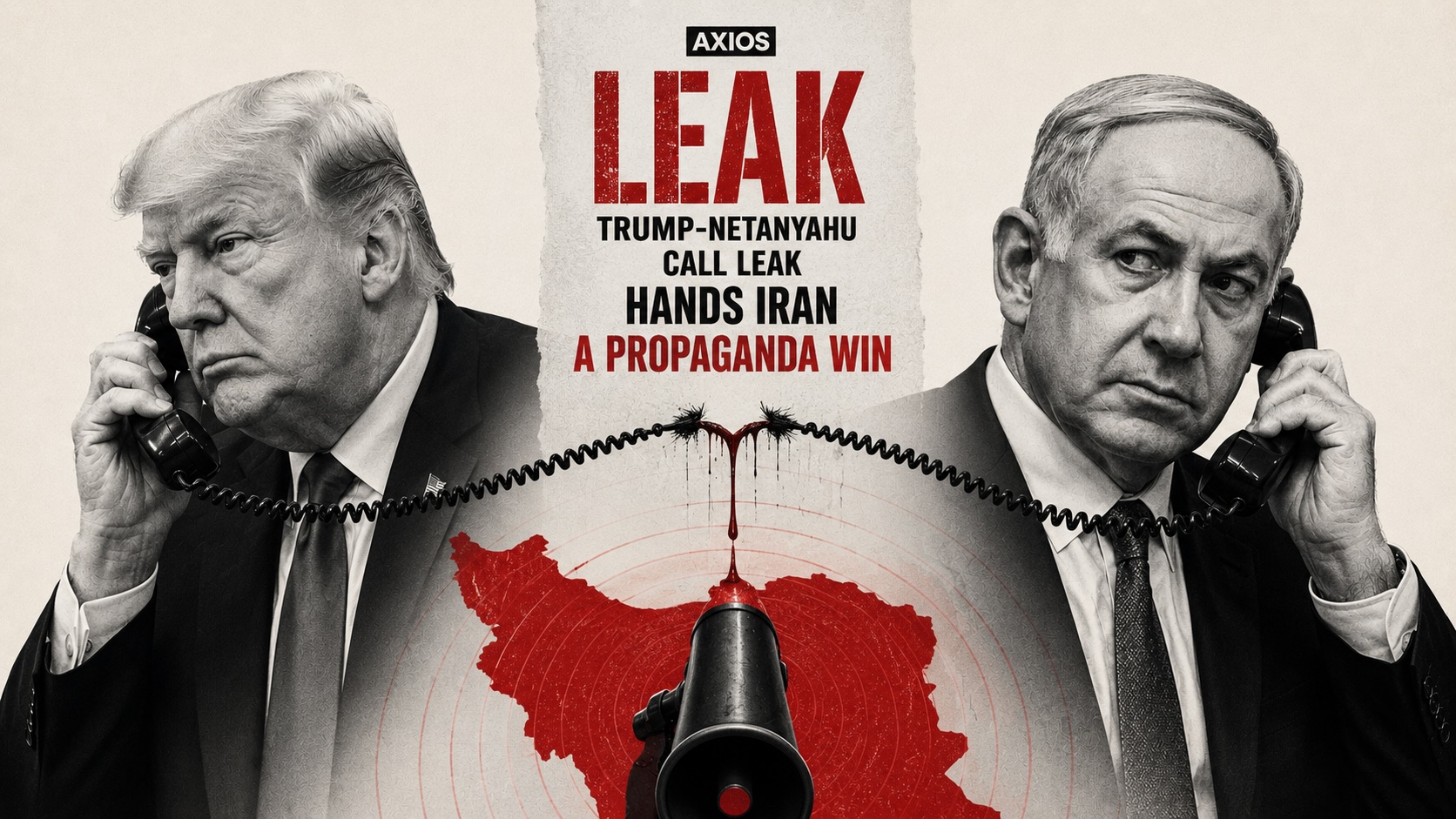
• Axios reported that Trump called Netanyahu “crazy” and accused him of escalating too far in Lebanon.
• The report said Trump warned that a Beirut strike would deepen Israel’s international isolation and weaken prospects for a deal with Iran.
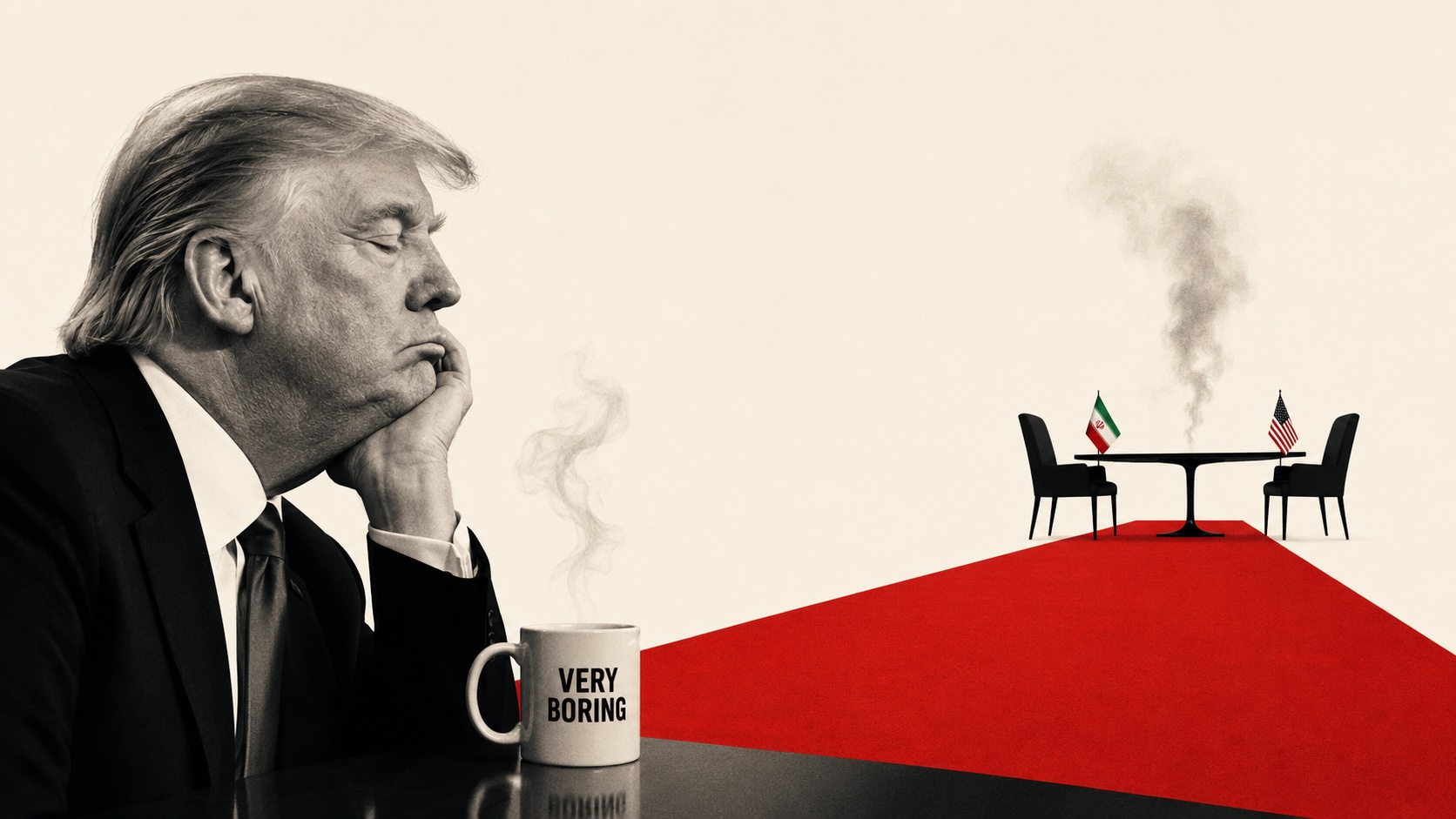
• After the call, Trump wrote that talks with Iran were continuing “at a rapid pace,” a message that appeared aimed at Tehran and markets alike.
• Netanyahu said Israel would continue operations in southern Lebanon and could still strike Beirut if Hezbollah kept attacking Israel.
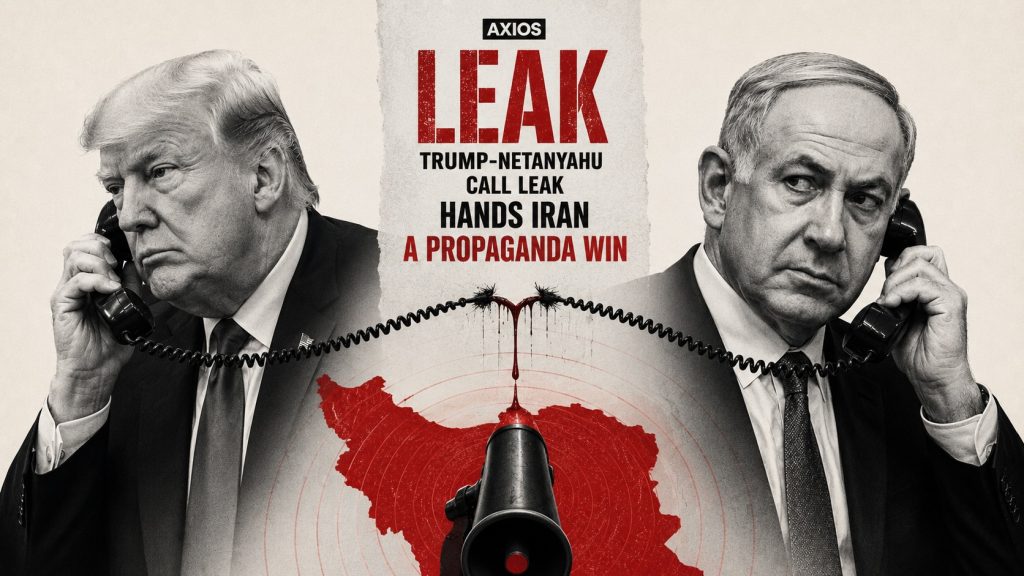
• Politically, the leak helps Iran’s narrative by linking Tehran’s threat to suspend talks with Trump’s move to restrain Israel.
• Conservative commentator Mark Levin called the leak a “violation of federal law” and said it provided support to the Iranian regime and Hezbollah.
• Levin argued that Tehran would read the leak as proof that Washington is weak and desperate to save a deal, even if that means leaning on Israel.
Behind the leak
The real value of the leak is not Trump’s language. It is the political message created by publishing the call now.
Iran can now frame the sequence simply: Tehran threatened to walk away over Lebanon, Washington pressured Netanyahu, and Israel backed away from Beirut.
That does not prove Axios intended to help Iran. It does not prove the leakers had that motive. But the timing and substance of the report gave Tehran a powerful propaganda asset at a delicate negotiating moment.
What to watch
The real test is on the ground. If Beirut stays out of the strike zone and U.S.-Iran talks continue, Iran’s claim that its Lebanon card can influence Washington will only get stronger.
Sources: