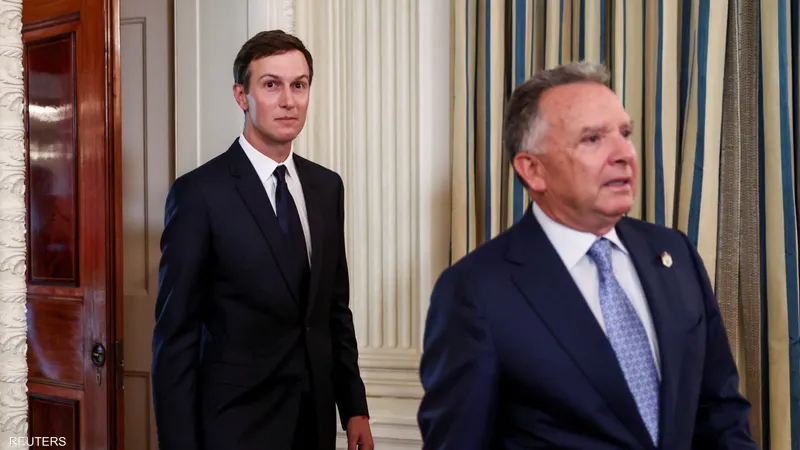
The course of the Iran war exposed the failure of deal-driven diplomacy led by Jared Kushner and Steve Witkoff, after they were unable to achieve progress in the negotiations preceding the conflict. That failure helped accelerate events toward a broad military confrontation, which later resulted in a fragile ceasefire not driven by their efforts.
The duo later returned to the negotiating table, but in a secondary role, with Vice President JD Vance taking over the diplomatic track—an indication of declining confidence in their ability to manage complex negotiations of this scale.
Details
Kushner and Witkoff relied on an approach that treated foreign policy like business deal-making. While this strategy delivered quick wins in limited cases, it collided with the far more complex reality of the Iran nuclear file.
During the February Geneva talks, a real opportunity emerged to reach a new nuclear agreement, with Iran showing relative flexibility. However:
- The U.S. team lacked the technical and political expertise needed to fully grasp the Iranian proposal.
- The duo was stretched across multiple files at once, from Ukraine to Gaza, weakening focus.
- Institutional backing and technical support required for a complex deal were largely absent.
Meanwhile, Iran entered the talks with an experienced negotiating team deeply familiar with the nuclear issue, creating a clear gap in capability. Miscalculations on the U.S. side, combined with escalating demands, led to the rapid collapse of the talks and a shift toward military confrontation.
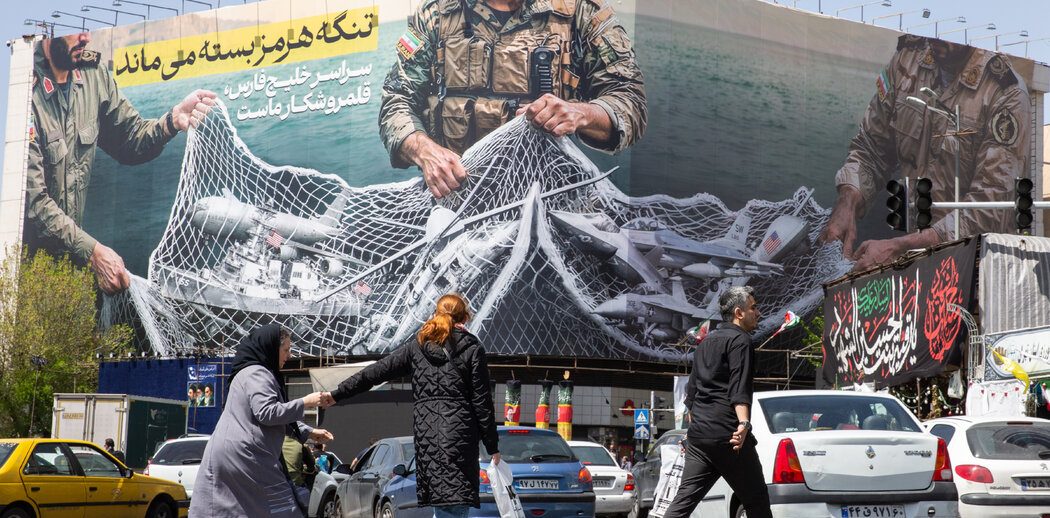
The war also revealed the broader limits of this approach: shipping through the Strait of Hormuz was disrupted, energy prices surged, and trade and investment flows across the region were hit—undermining the very economic interests this strategy aimed to protect.
What’s Next?
Attention is now drawn to whether Washington can restore a more traditional, expertise-driven diplomatic approach instead of relying on rapid deal-making strategies.