Iran did not respond as many in Washington and Tel Aviv had predicted. Instead of a rapid collapse or a decisive political retreat, the Iranian regime continued to hold out for more than a month under heavy bombardment before reaching a cease-fire stage with the United States, reviving an old question: why do some authoritarian regimes endure even under the harshest pressure?
The Wall Street Journal says what happened in Iran can be explained by the regime’s ability to withstand the intensity of the attacks, but also by the nature of the regime itself. These systems build their survival on accumulated tools that include political repression, constant propaganda, a mobilizing ideology built around sacrifice, and security institutions whose first mission is to protect the regime from threats at home and abroad.
The newspaper argues that this pattern is not unique to Iran. Russia, North Korea, and Cuba all share a high capacity to absorb economic and human losses, while their populations usually bear the heaviest cost, as the ruling system continues tightening its grip through force, fear, and control over public life.
Details
- The war showed that bombardment alone is not enough to bring down a regime built from the start on surviving siege and pressure.
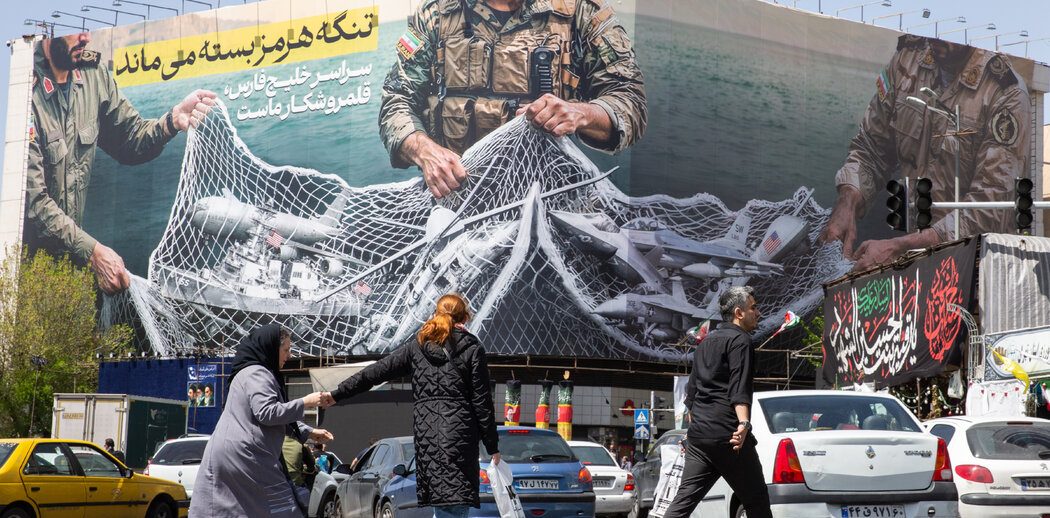
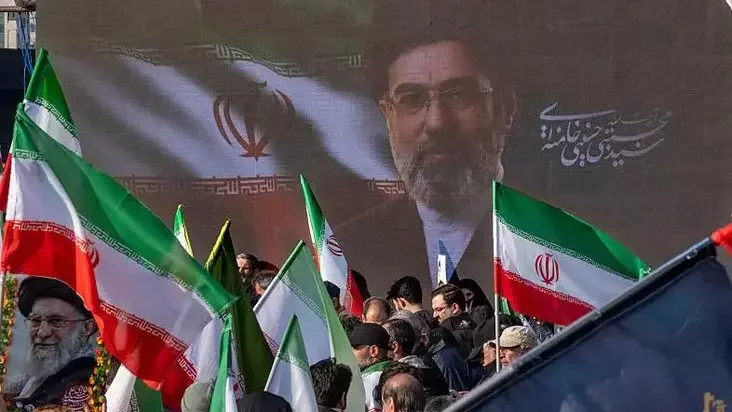
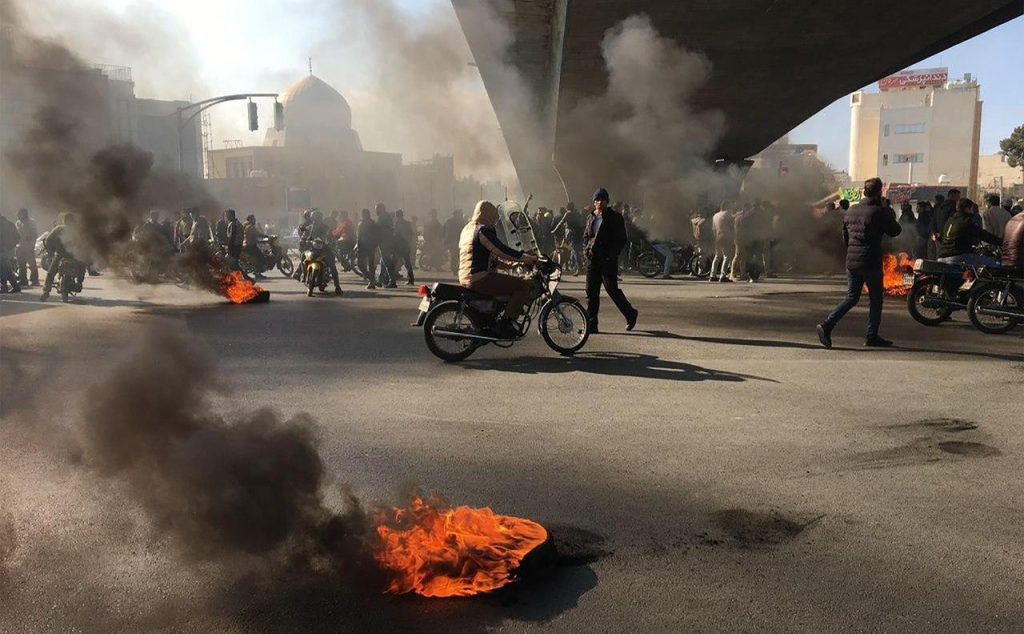
- Iran relied on old internal tools: crushing protests, imprisoning opponents, and reinforcing a narrative that the country is under foreign attack and must rally around the state.
- In Russia, Vladimir Putin has used a mix of anti-Western rhetoric, selective economic incentives, and direct repression to contain the effects of war and sanctions.
- In North Korea, the Kim dynasty has survived for decades despite famine, abuses, and isolation through strict information control, glorification of the leadership, and criminalizing any deviation from the official narrative.
- The article suggests that the absence of a free press, institutional checks, and peaceful channels of dissent gives such regimes the ability to conceal fractures and delay internal rupture.
- But the paper also notes that this kind of rule is not without weaknesses, since closed systems of control can blind leaders to elite divisions or the buildup of public anger until it suddenly turns into a real threat.
- The analysis recalls the lessons of the Arab Spring as evidence that protests can at times outpace security institutions, as happened in Egypt, Tunisia, Libya, and later Syria.
- Yet Iran, Russia, and North Korea have since developed harsher and more effective tools, including internet shutdowns, social surveillance, criminalization of dissent, and severe punishment of opponents.
- In Russia, this has not been limited to suppressing protests. It has also included banning major media and social platforms, pursuing antiwar voices, and even criminalizing small daily acts of dissent.
- In North Korea, the state imposes close surveillance over society, from workplaces to residential neighborhoods, while criminalizing foreign content and portraying it as a threat to the regime.
- The newspaper adds that these regimes are now cooperating more closely with one another, especially in exchanging tools of control and endurance.
- During Iran’s winter protests, Tehran used Russian technology, according to analysts cited by the paper, to make internet shutdowns more effective without disrupting state services.
- It also points to growing security and legal cooperation between Moscow and Tehran, including Russian training for Iranian police forces.
- The paper argues that North Korea’s deployment of around 15,000 troops to Russia’s Kursk region reveals a new form of this coordination, with losses being sold at home as sacrifice in the face of a U.S.-led international order.
What next?
If Iran’s leadership comes out of this war still holding power, it is more likely to tighten its grip at home rather than ease it, and to see survival as a reason for greater defiance rather than reconsideration.