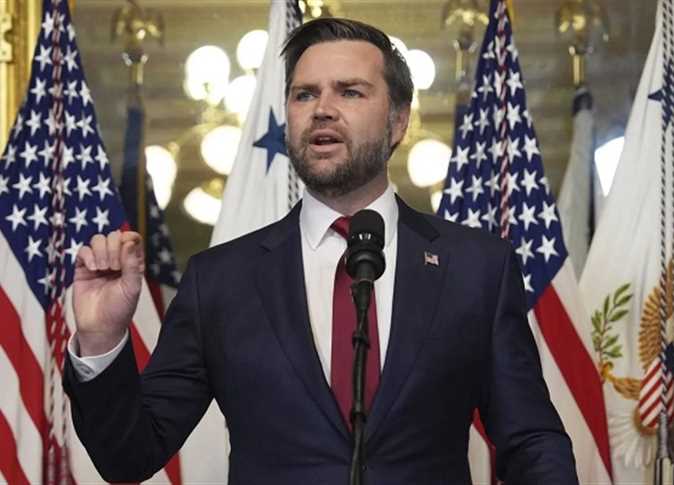
U.S. Vice President JD Vance ended a marathon round of negotiations with Iran lasting more than 21 hours without reaching an agreement, leaving President Donald Trump’s administration facing difficult and politically costly options.
Vance said Washington presented a clear proposal to fully terminate Iran’s nuclear program, but Tehran refused it, pushing talks back into deadlock amid deep disagreements over the core terms and conditions of any deal.
Details
The failed round highlights a dual dilemma for Washington:
- Entering a long and complex negotiation process, similar to the Obama-era deal that took two years and involved mutual concessions.
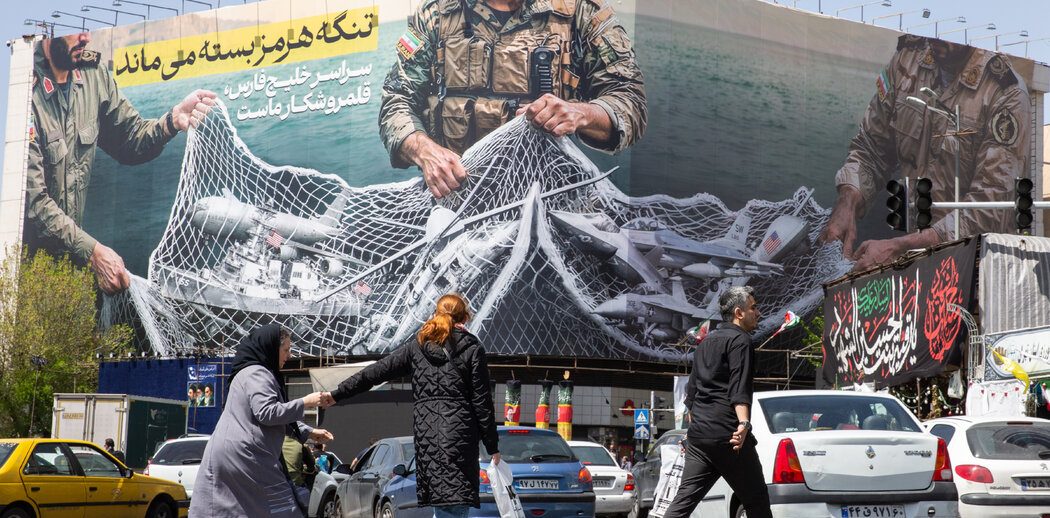
- Or returning to military escalation, despite its high cost after a 38-day war that targeted thousands of sites inside Iran.
The United States views Iran’s retention of uranium enrichment capabilities as a lasting risk, even if no nuclear weapon is produced. Iran, however, considers it a sovereign right under the Nuclear Non-Proliferation Treaty.
The recent war did not shift this position but hardened it. With the fragile cease-fire set to expire on April 21, the threat of escalation remains, carrying significant economic risks after disruptions to roughly 20% of global oil supplies and rising prices.
The Strait of Hormuz has also emerged as a key pressure point, with Iran linking it to broader demands including war reparations and sanctions relief—conditions Washington rejects or is only willing to consider gradually.
What’s Next?
Attention now turns to Trump’s decision on the next step, with markets watching whether the truce will be extended or escalation resumes.