News
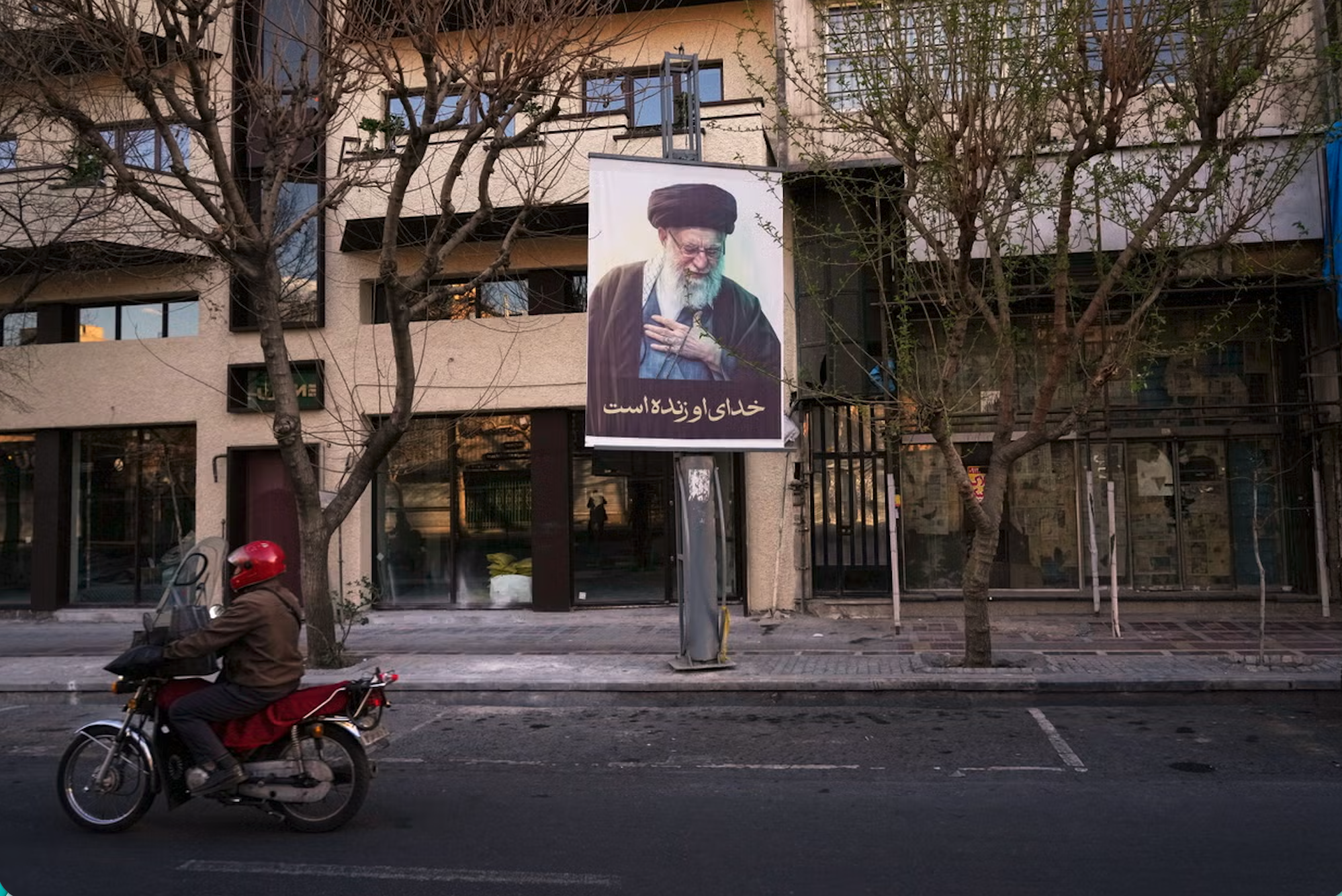
A new tranche of reporting from the U.S. and Israel is converging on one central claim: the opening strike was not only a military decision, but a timing decision — built around intelligence that Iran’s supreme leader and senior officials were in one place at one time.
The New York Times reports that the CIA had tracked Ayatollah Ali Khamenei’s patterns for months and identified a Saturday morning meeting in central Tehran — intelligence that helped shape the strike window (as described in the text you provided). Reuters similarly reported that the operation moved forward when the meeting was detected, with the leader’s compound struck early in the campaign.
The Wall Street Journal also tied the daytime start to intelligence about when senior officials would meet.
Detail
• Why dawn, not night
• The Jerusalem Post said Israeli officials argued the opening wave was timed for a narrow operational window and tactical surprise, striking in the morning rather than overnight.
• The WSJ’s framing echoes the same logic: the start time was set to catch senior regime officials during a rare convergence.
• How the strike was sequenced
• Reuters reported that once the meeting was detected, the strike plan was accelerated, with the high-security compound hit at the beginning and satellite imagery reviewed by Reuters indicating it was destroyed.
• How Israel sold the operational intent
• Israeli reporting presented the opening phase as aimed at degrading threats to Israel’s home front — a narrative that becomes testable only by what happens next: fewer, less coordinated missile salvos, or a rapid shift by Iran toward regional targets.
• Regional spillover: bases, air defenses, and the Gulf
• Reuters said Iranian retaliation extended beyond Israel to Gulf Arab nations, pushing the confrontation into the footprint of U.S. basing and host-nation air defenses.
• Regional coverage reported the U.S. Fifth Fleet support infrastructure in Bahrain being targeted amid the escalation.
(Analysis)
This is a leadership-centric concept of operations: collapse decision velocity first, then manage the retaliation curve. A dawn strike based on meeting intelligence is designed to do three things at once:
1.compress the adversary’s ability to coordinate a first-wave response,
2.force decentralised, pre-authorised retaliation (often messier but still dangerous), and
3.shift the conflict into a broader “regional systems” contest (air defense, base security, aviation corridors, shipping risk).
Whether the strategy “worked” cannot be judged by one headline about who was killed. It will be judged by tempo (how quickly Iran can regenerate coherent command) and geometry (whether Iran keeps the fight Israel-focused or widens it through Gulf basing and maritime pressure).
What next?
• Missile tempo vs. strike tempo: watch whether Iran’s launches become less coordinated over 24–72 hours — or whether Israel/U.S. expand follow-on waves to missile infrastructure to force that outcome.
• Base security posture: any confirmed changes in U.S. force-protection levels, shelter-in-place advisories, or base operations in Bahrain/Qatar/Kuwait/UAE are the fastest indicator of expected follow-on attacks.
• Aviation and shipping: if airspace restrictions harden (or if shipping advisories become diversions/halts), the conflict shifts from “military exchange” to “global logistics shock.”
Sources
• The New York Times — “The C.I.A. Helped Pinpoint a Gathering of Iranian Leaders. Then Israel Struck.” (text provided by you)
• Reuters — strikes accelerated when meeting detected; compound hit early; satellite imagery reviewed by Reuters.
• The Wall Street Journal — timing based on intelligence about senior officials’ meeting; rationale for daytime strike.
• The Jerusalem Post — why dawn, not night; tactical surprise and operational window framing.
• Khaleej Times — Bahrain: U.S. Fifth Fleet service centre reported targeted.
• The Guardian — broader escalation context, regional disruption and risk to oil/air traffic.