News
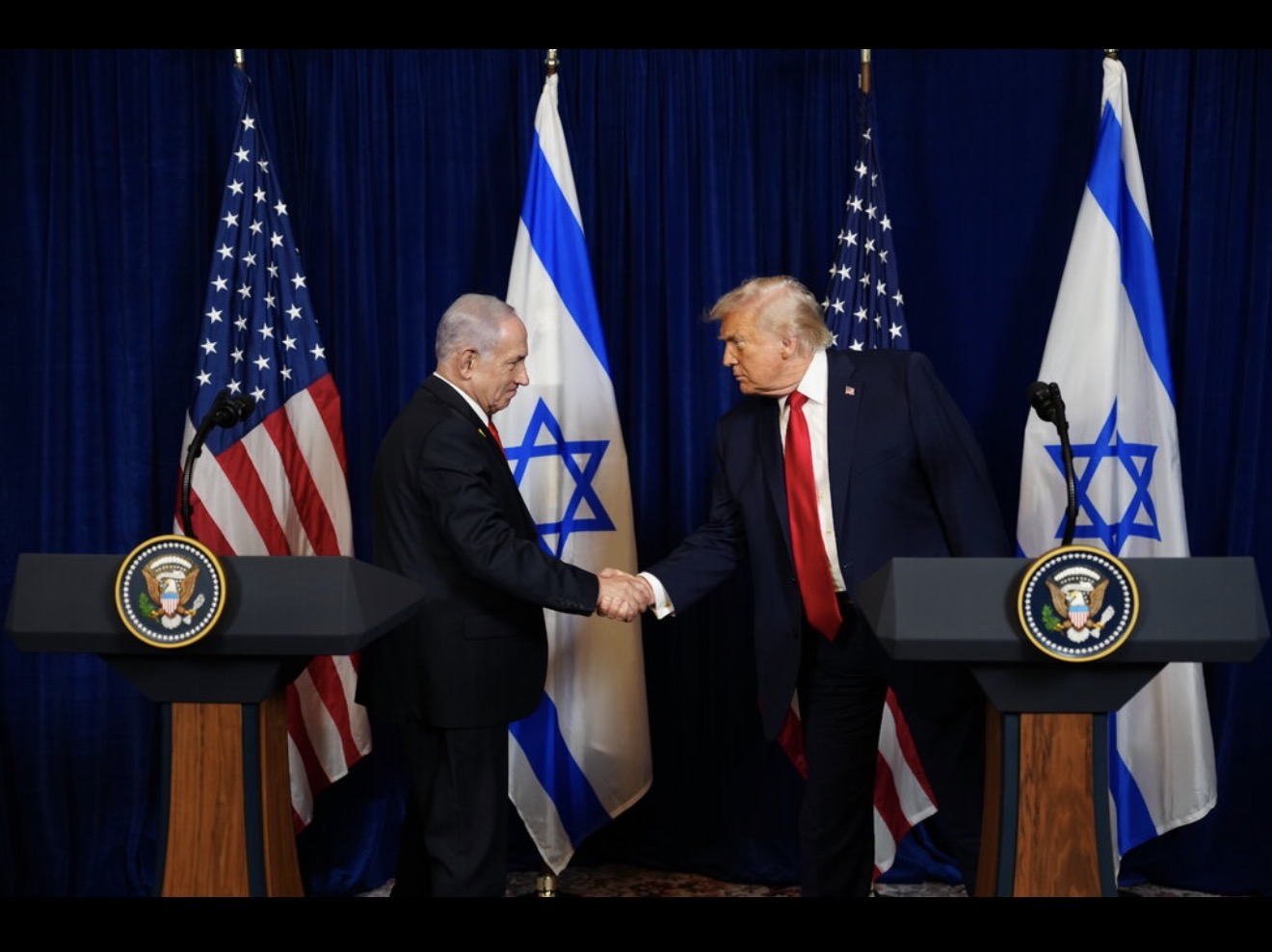
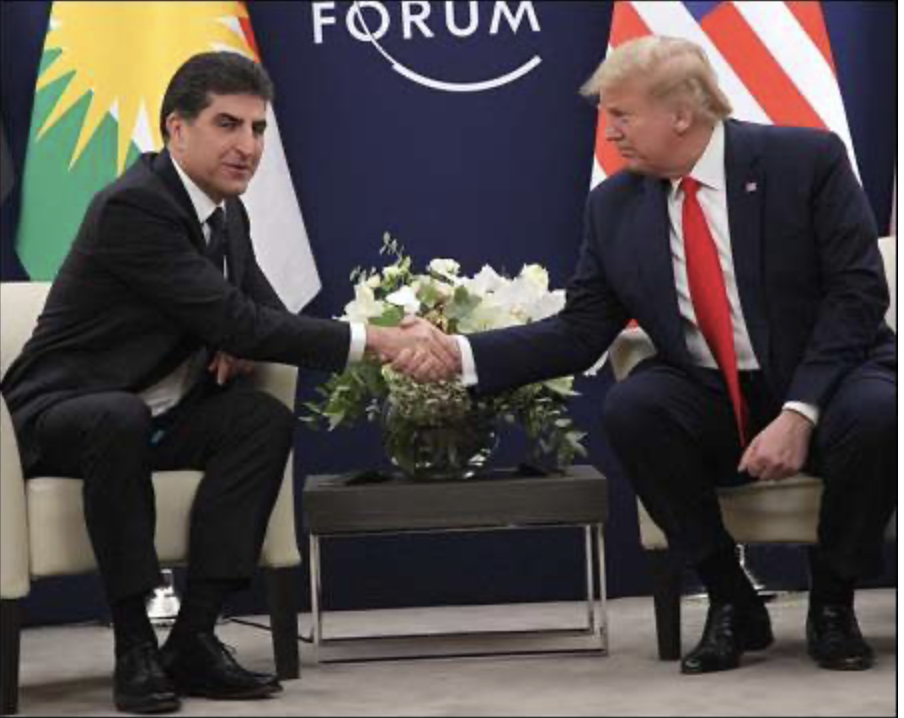
Axios reported that Trump held what were described as sensitive contacts with Iraqi Kurdish leaders to discuss the trajectory of the US-Israeli war with Iran and what may follow—moves that read as a test of a Kurdish role along Iraq’s eastern border line.
(Analysis):
• The call suggests Washington is not viewing the war purely as violent airstrikes, but as a broader pressure package that includes border geography and local actors!
• The Kurdistan Region has strategic contact points along the border with Iran, alongside social, political, and security networks shaped by proximity and Kurdish cross-border continuity!
• In our reading yesterday, the idea was that hitting the nodes of control on the periphery opens a parallel track to weaken the security grip inside Iran. Trump’s outreach to Kurdish leaders fits that logic as a linkage between external war pressure and internal effects!
• Axios said Netanyahu pushed for involving the Kurds, but US officials warned against overestimating what the Kurds can deliver militarily—suggesting the objective may be more political, psychological, and intelligence-driven than a full-fledged ground front.
• The core link to our minorities thesis: when the periphery is leveraged as a tool, borders become a messaging arena—raising the chance that protest sentiment in minority areas becomes part of the pressure equation, not just a side effect!
What’s next?
Track three fast indicators:
1.Any public signals from the Kurdistan Region presidency or the PUK about security or humanitarian coordination on the border.
2.A rise in messaging around minority rights inside Iran as an entry point for escalating political pressure.
3.Field movements along Iran’s border belt indicating pre-emptive security tightening to prevent internal unrest