The latest
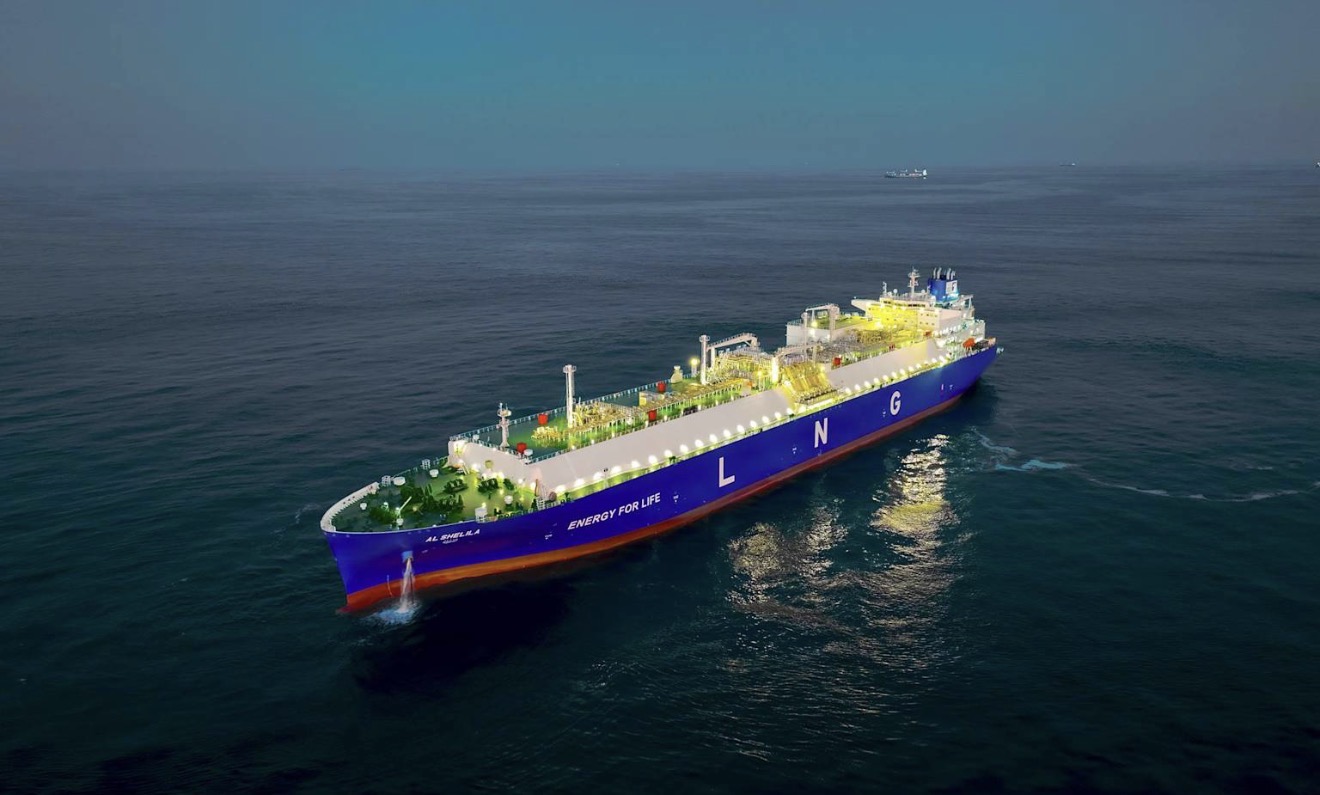
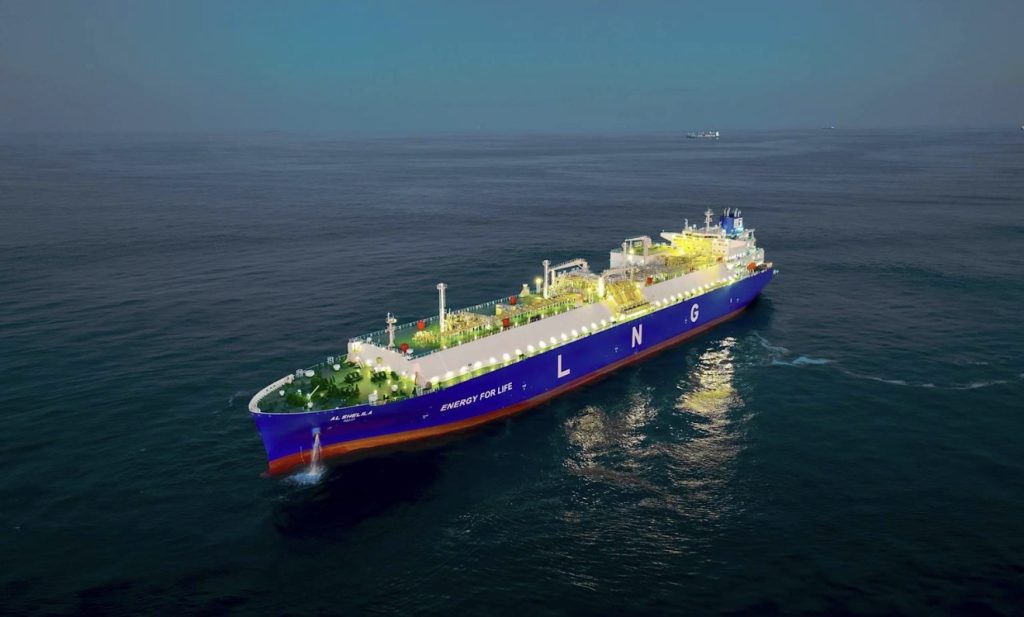
Qatar and the United Arab Emirates are taking a more opaque route to keep liquefied natural gas exports moving through the Strait of Hormuz, as the war with Iran continues to disrupt shipping.
According to Bloomberg, QatarEnergy instructed owned and chartered tankers to disable their Automatic Identification System, known as AIS, near the Ras Laffan complex, the world’s largest LNG export terminal. The same instruction reportedly applies when vessels attempt to cross the strait.
Maritime reports also indicate that tankers linked to Adnoc used similar methods to move cargoes from the UAE.
Details:
• The practice is known as “dark transit.” It means a vessel stops broadcasting its position through AIS, making it harder to track.
• Reuters reported that an LNG tanker operated by Adnoc loaded a cargo in the UAE after crossing without a signal, amid rare energy tanker movements through Hormuz in recent days.
• Tracking data cited by Reuters also showed oil and gas tankers leaving the strait in May after switching off their transmitters, as shipping traffic fell sharply.
• Bloomberg reported that some vessels were told to cross in small pairs to reduce risk during passage.
What to watch
The question is no longer only whether more LNG tankers will cross Hormuz without broadcasting their position. It is whether “dark transit” becomes a temporary rule in the gas market. If the disruption lasts, the transparency that once defined LNG trade could become another casualty of the war, even without sanctions or a formal embargo.