The latest
Kuwait is not a new target in Iran’s regional calculations.
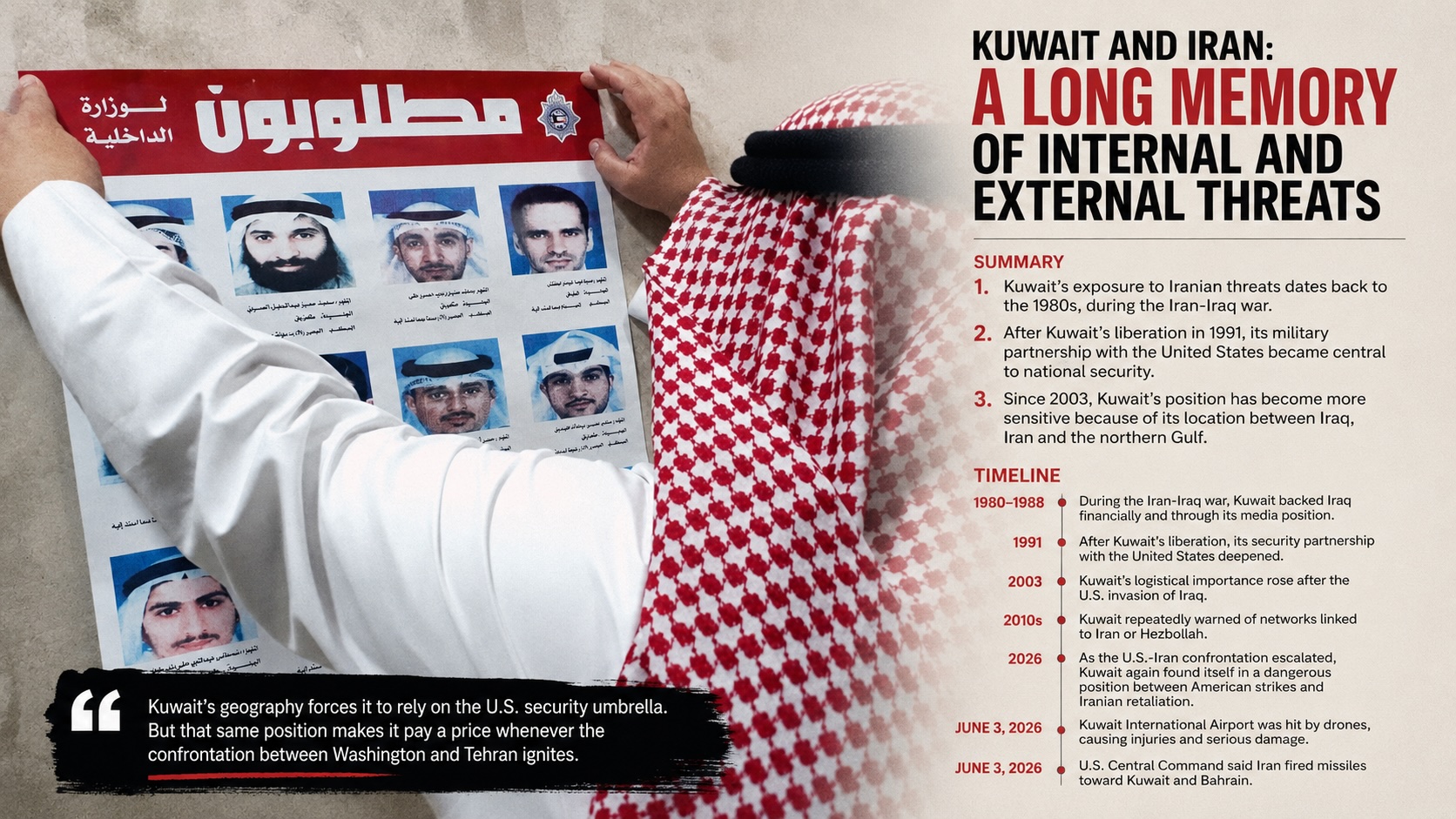
The threat has changed shape over four decades. It moved from terrorist bombings and pressure on Gulf shipping in the 1980s, to concerns over Iranian-linked networks inside Kuwait, to today’s missile and drone threats tied to the U.S.-Iran confrontation.
We call these operations terrorist attacks because that is what they are. There is no softer label for attacks that target embassies, airports, civilian infrastructure and national security.
Timeline
1980–1988
During the Iran-Iraq war, Kuwait backed Iraq financially and through its media position. That put Kuwait in direct confrontation with Iran.
1980s
Kuwait was hit by a series of terrorist bombings targeting sensitive sites, including the U.S. and French embassies, Kuwait International Airport and Kuwaiti facilities.
Mid-1980s
Those attacks became linked to the “Kuwait 17” case and to networks aligned with Iran and Hezbollah, according to later security statements and reports.
1984–1988
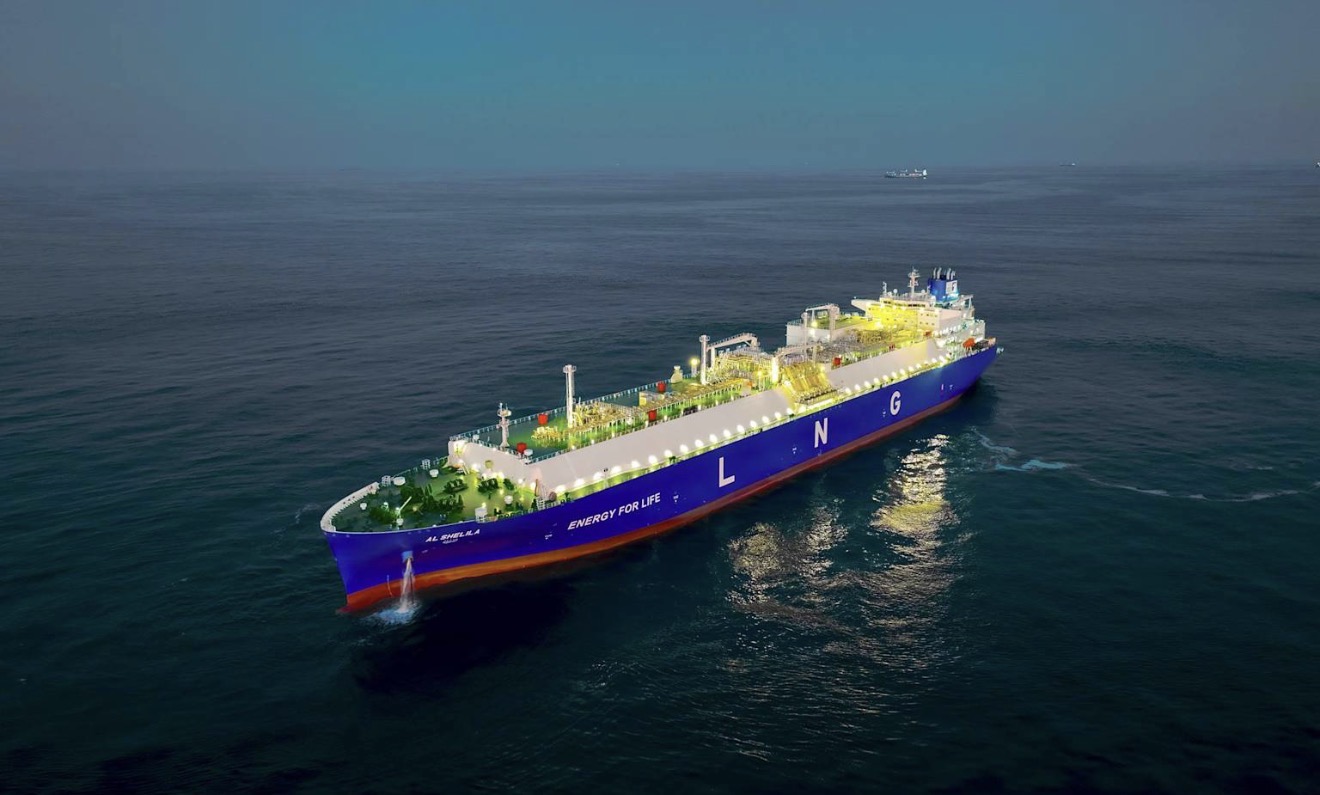
The Tanker War turned the Gulf into a direct pressure front against Kuwait, with shipping and oil interests in the region coming under attack.
1987
The United States launched Operation Earnest Will to protect Kuwaiti tankers reflagged under the U.S. flag during the Tanker War.
1990
Iraq invaded Kuwait. The invasion transformed Kuwait’s security doctrine and pushed the country toward a permanent external security umbrella.
1991
After Kuwait’s liberation, its security partnership with the United States deepened. Washington became the main military guarantor of Kuwait’s security.
1990s
Kuwait gradually became a key U.S. military foothold in the Gulf, especially as tensions with Iraq continued.
2003
Kuwait’s logistical importance rose after the U.S. invasion of Iraq. American forces used Kuwaiti territory, bases and ports to support operations.
After 2003
Kuwait’s position became more exposed because of its proximity to Iraq, Iran and the northern Gulf, and because of the expanded U.S. military presence in the region.
2010s
Kuwait repeatedly warned of networks linked to Iran or Hezbollah, including cases involving espionage, weapons storage, financing and recruitment.
2015
Kuwait announced the arrest of the Abdali cell, one of the country’s most serious security cases involving allegations of weapons possession and links to Iran and Hezbollah.
2020s
Kuwait continued trying to preserve a political balance with Iran while maintaining its close security partnership with the United States.
2026
As the U.S.-Iran confrontation escalated in the Gulf, Kuwait again found itself in a dangerous position between American strikes and Iranian retaliation.
June 3, 2026
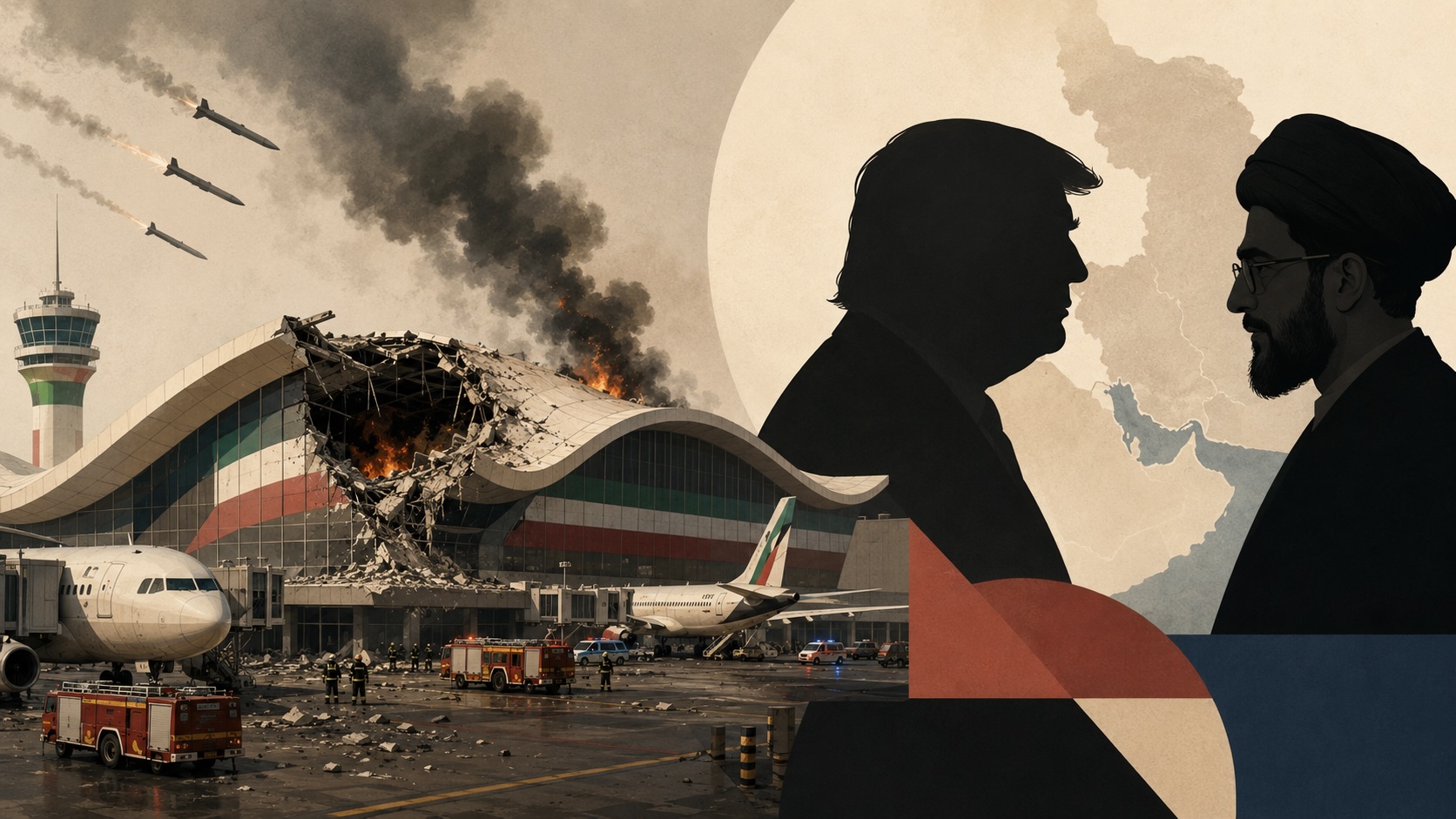
Kuwait said Kuwait International Airport was hit by drones, causing injuries and serious damage to Terminal 1. Flights were suspended and diverted to alternative airports.
June 3, 2026
U.S. Central Command said Iran fired missiles toward Kuwait and Bahrain. Some fell before reaching their targets, while others were intercepted.
The bigger picture
Kuwait’s problem is not one threat. It is a layered security file built over decades.
In the 1980s, Kuwait was part of Iran’s memory of the Iran-Iraq war. After 1991, it became part of the U.S. security architecture in the Gulf. After 2003, its value increased because of Iraq, American bases and geography.
Today, the threat can come through several channels: drones, missiles, maritime pressure, internal terrorist cells, or escalation from Iraq toward Kuwait’s border.
The hard truth: Kuwait’s geography forces it to rely on the U.S. security umbrella. But that same position makes it pay a price whenever the confrontation between Washington and Tehran ignites.
Source: +ontime team.