The latest
The U.S.-led push for a peace framework with Iran has entered a more contentious phase.
Trump revised the proposed memorandum of understanding and sent it back to Tehran after growing frustrated with the pace of negotiations, The New York Times reported, citing officials familiar with the process.
The framework is meant to end the U.S.-Israeli military campaign launched on Feb. 28. In return, Iran would lift its blockade of the Strait of Hormuz, a key route for global oil and gas shipping.
Details
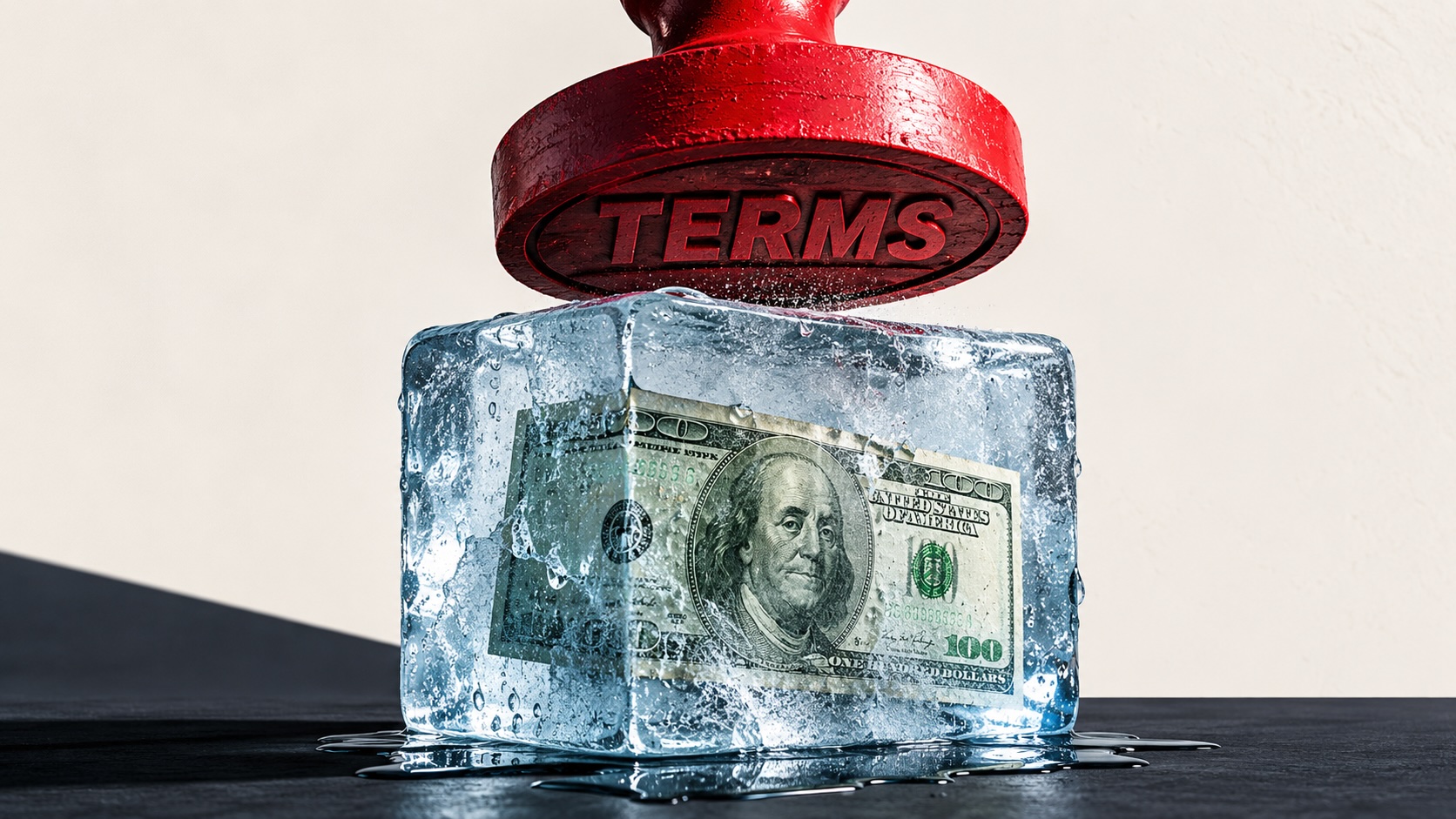
• The sticking point: Trump’s concerns center on provisions that could unfreeze Iranian funds, officials told The New York Times. The issue is politically sensitive because Trump has long criticized the Obama-era Iran nuclear deal.
• The shipping dispute: Iranian state-linked accounts have circulated an unverified draft that would give Tehran broad oversight of commercial traffic through Hormuz and access to up to $12 billion in frozen assets within 60 days.
• The White House pushback: The White House has denied the Iranian-circulated version, calling the document fabricated. Western reports, however, have described draft terms involving Hormuz, the naval blockade and access to frozen Iranian funds.
• The diplomatic hurdle: Intermediaries, including Pakistan, have been involved in the talks. Any new changes could add delays because reaching Iran’s supreme leader, Mojtaba Khamenei, has already proved difficult, according to The New York Times.
What to watch
The key question is whether Tehran accepts Trump’s stricter terms or pushes back with changes of its own.
If Iran accepts, the White House will likely present the deal as a victory won through pressure. If it rejects the text, the blockade and the threat of renewed strikes will remain Washington’s main leverage.
Sources: