Report
The Strait of Hormuz is witnessing limited maritime traffic amid rising military tensions, after stranded oil tankers began exiting the Gulf gradually, as US Central Command raised its warnings against mine-laying activities in the vital waterway.
Details
• US Central Command issued an official warning stating that any vessel observed participating in mine-laying or supporting such activity in or near the Strait of Hormuz will be targeted by American forces in self-defense.
• The warning added that Iran continues attempts to obstruct mine clearance and safe passage in the strait.
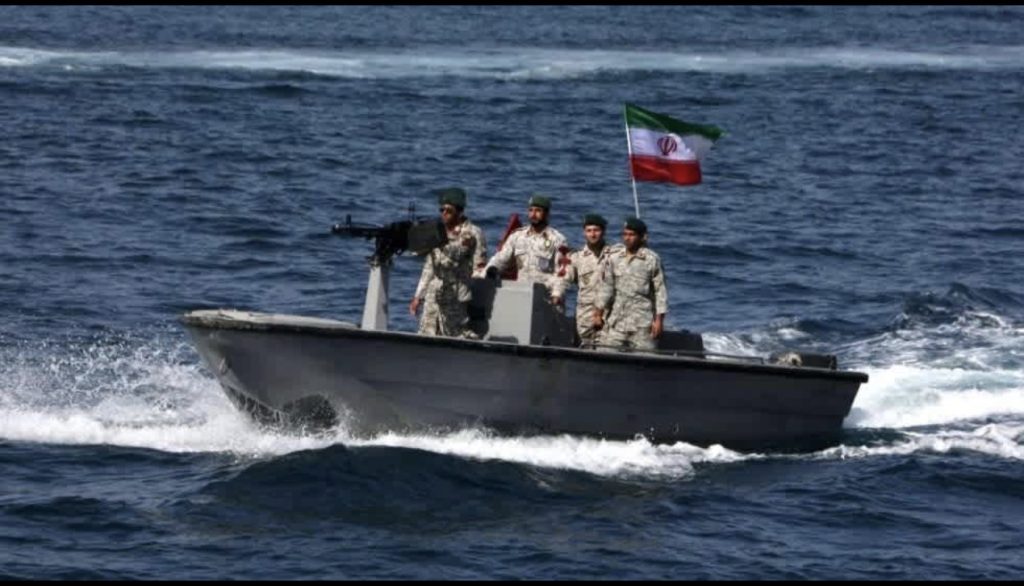
• The statement came after US strikes this week targeted Revolutionary Guard boats, which Washington said were laying mines.
• US forces also struck a surface-to-air missile site near Bandar Abbas, which they described as a threat to American aircraft.
• Central Command spokesman Captain Tim Hawkins described the operations as defensive actions to protect US forces, while stressing Washington’s restraint during the current ceasefire.
• Iran’s Revolutionary Guard announced it would respond to what it called violations of the ceasefire and claimed it struck a US base in retaliation for the attack near Bandar Abbas airport.
• Iranian forces fired warning shots at four vessels attempting to cross the strait without prior coordination.
• The volume of oil that has exited so far equals around 520,000 barrels per day, a limited proportion compared to the crude and products still stuck in the Gulf.
• Data from the past 48 hours showed two giant crude tankers and one LNG carrier exiting toward China and India with their transponders turned off.
• Iran announced the formation of a new body called the “Persian Gulf Strait Authority” and demanded that all vessels obtain prior permission before crossing.
• Chevron CEO Mike Wirth said several ships had been attacked in recent days, and that the company will not pay any fees demanded by Iran for safe passage.
What’s Next?
The test in Hormuz has now shifted from the number of exiting tankers to Washington’s ability to prevent mine-laying and secure passage without triggering a wider confrontation. Any new targeting of an Iranian vessel or a response from the Revolutionary Guard could lead to a full closure of the strait once again.
Sources: Bloomberg, New York Times, Wall Street Journal, US Central Command, Chevron CEO Mike Wirth, Iran International, Reuters.