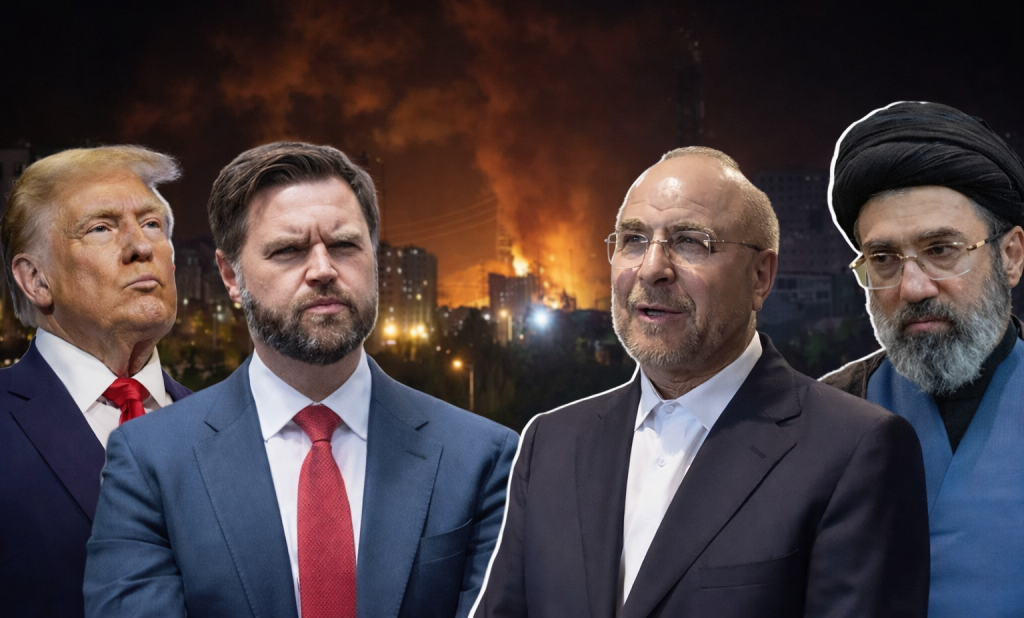
As the whole world’s eyes are on Islamabad, the talks are beginning with two very different visions of what a deal should look like. Iran’s 10-point proposal is focused on sanctions relief, security guarantees and preserving leverage. The reported US 15-point framework is aimed at cutting back Iran’s nuclear capacity, limiting its regional reach and keeping Hormuz fully open.
Details
• Iran’s 10-point plan seeks a lasting end to attacks, broad sanctions relief, access to frozen assets, compensation for war damage and protection against future US military action. It also pushes for a reduced US military presence in the region and continued Iranian influence over the Strait of Hormuz.
• The nuclear issue is the sharpest fault line. Iran wants its right to enrich uranium recognised. But that wording appeared in the Persian version of the plan and was missing from the English version circulated publicly, adding confusion before talks even began.
• The US 15-point framework moves in the opposite direction. Reported elements include dismantling key Iranian nuclear sites, handing over enriched uranium, expanded IAEA oversight, missile restrictions, curbs on proxy groups and a permanently open Hormuz.
• That leaves the two sides far apart at the starting line. Iran is trying to turn the ceasefire into economic relief and strategic protection. The US is trying to use it to secure deeper nuclear and regional concessions.
What next?
The immediate task in Islamabad is not a full deal. It is to establish whether there is enough common ground to keep talks alive. If the dispute over enrichment, sanctions and Hormuz remains unchanged, the ceasefire may prove easier to reach than a broader settlement.