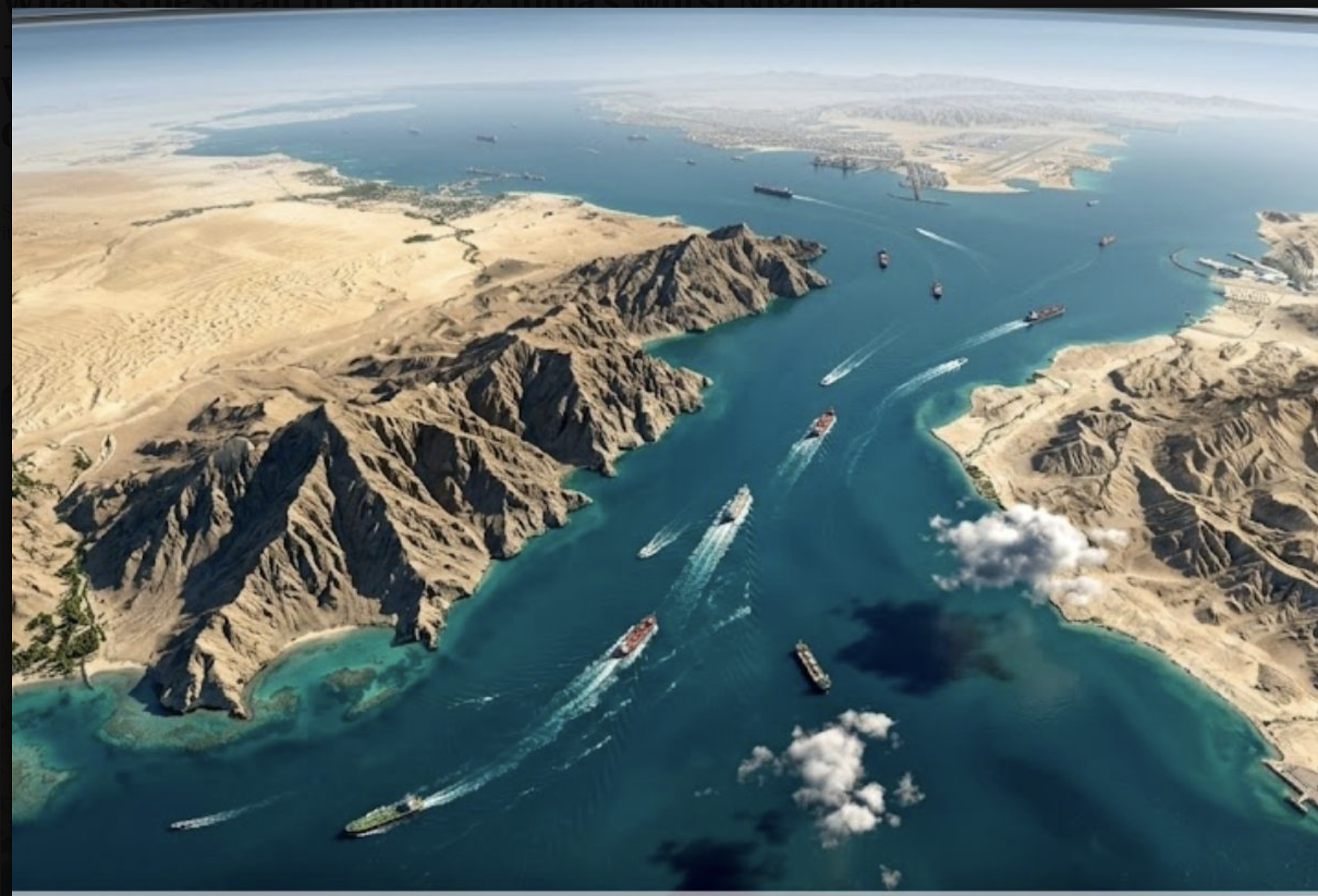
While shipping through the Strait of Hormuz has effectively seized up amid U.S.–Israel–Iran military activity, attention has shifted to the region’s second strategic corridor: the Red Sea and the Bab el-Mandeb chokepoint.
In that context, POLITICO reported that a Houthi representative described the Red Sea situation as “stable and normal” and said any change would be communicated (per the excerpt you provided). But the shipping and insurance markets are treating the calm as conditional.
London’s Joint War Committee expanded its Middle East high-risk definition to include waters around Djibouti, among other locations, a notable signal given Djibouti’s proximity to Bab el-Mandeb and the Gulf of Aden shipping lanes. This aligns with maritime risk reporting that warns of dual-theatre disruption: Hormuz pressure and potential Red Sea volatility.
(Analysis) Why the Houthis look “quiet” right now
1) Preserving a strategic escalation card
If Hormuz is already choking global energy flows, opening a second major front in Bab el-Mandeb would multiply pressure — but it also burns leverage early. Keeping ambiguity sustains deterrence without triggering immediate counterstrikes.
2) Avoiding a clean casus belli for expanded strikes in Yemen
A renewed, clearly attributable campaign against commercial shipping would make it easier for Washington (and partners) to widen kinetic responses. From a Houthi risk calculus, signaling “stability” can slow escalation while the broader war’s direction becomes clearer.
3) Coordination and bandwidth inside the “axis”
With other Iran-aligned fronts active (Iraq/Lebanon), the Houthis may be holding their highest-impact tool — maritime disruption — for a moment when it yields maximum bargaining value, rather than overlapping with peak attention on Hormuz.
4) Market reality: “stable” doesn’t mean “safe”
Even absent fresh strikes, insurers and operators move on risk perception, not statements. The JWC high-risk expansion and UKMTO/JMIC posture reinforce that the industry is pricing in a Red Sea relapse scenario.
What’s next?
• Trigger watch: Any Houthi statement that redefines “legitimate targets” (flag, ownership links, ports, or Israel-linked cargo criteria) would immediately reshape routing and premiums.
• Insurance signal: Further expansions of listed “high-risk” waters — especially around Bab el-Mandeb/Gulf of Aden — will be an early indicator of expected deterioration.
• Operational reality: If Hormuz remains constrained, the incentive to push more cargo via the Red Sea rises — and with it, the strategic value (and temptation) of Houthi interference.