Iran’s state media said the body of Ayatollah Ali Khamenei will be displayed for a public farewell starting Wednesday night in Tehran for three days, marking the formal start of funeral proceedings as the war continues.
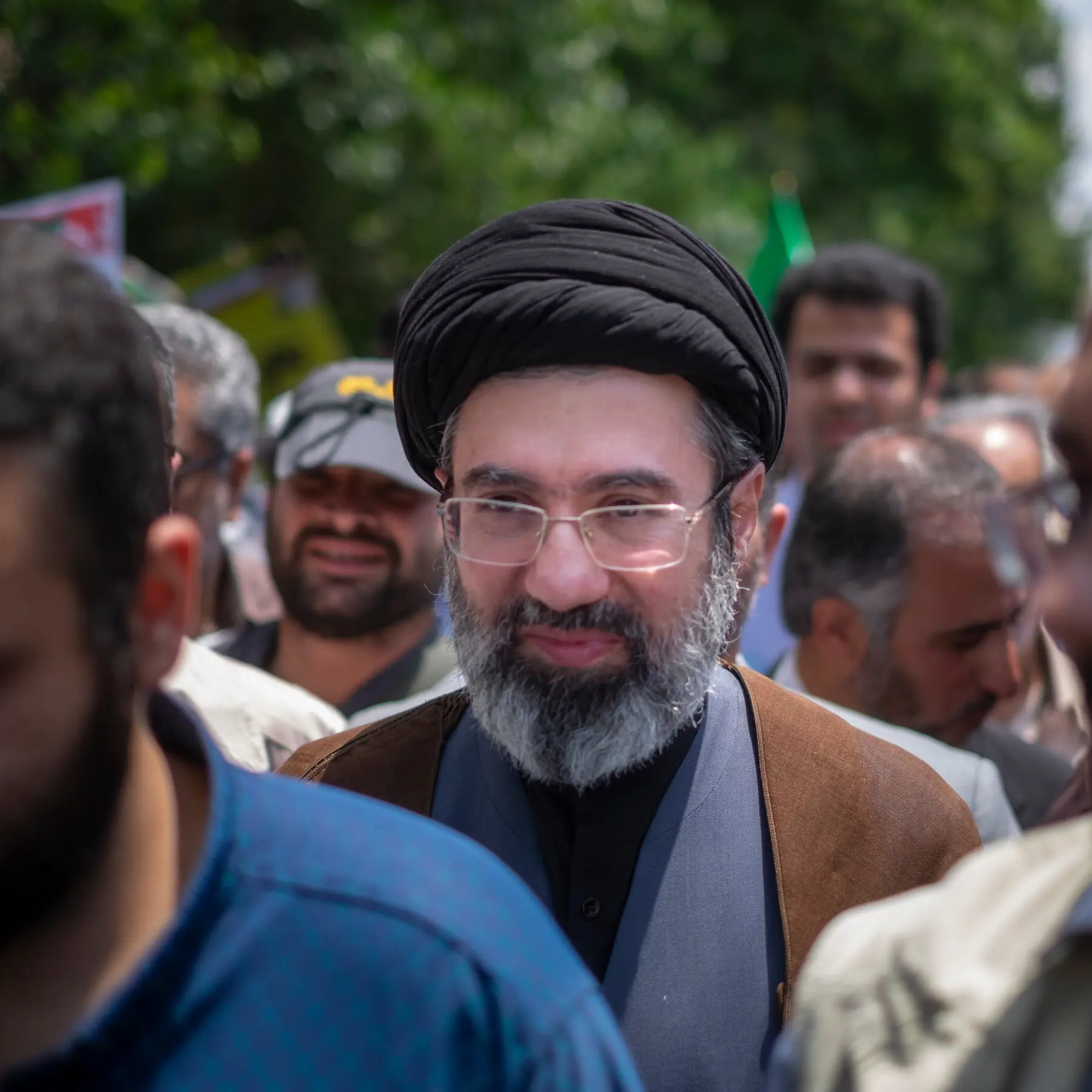
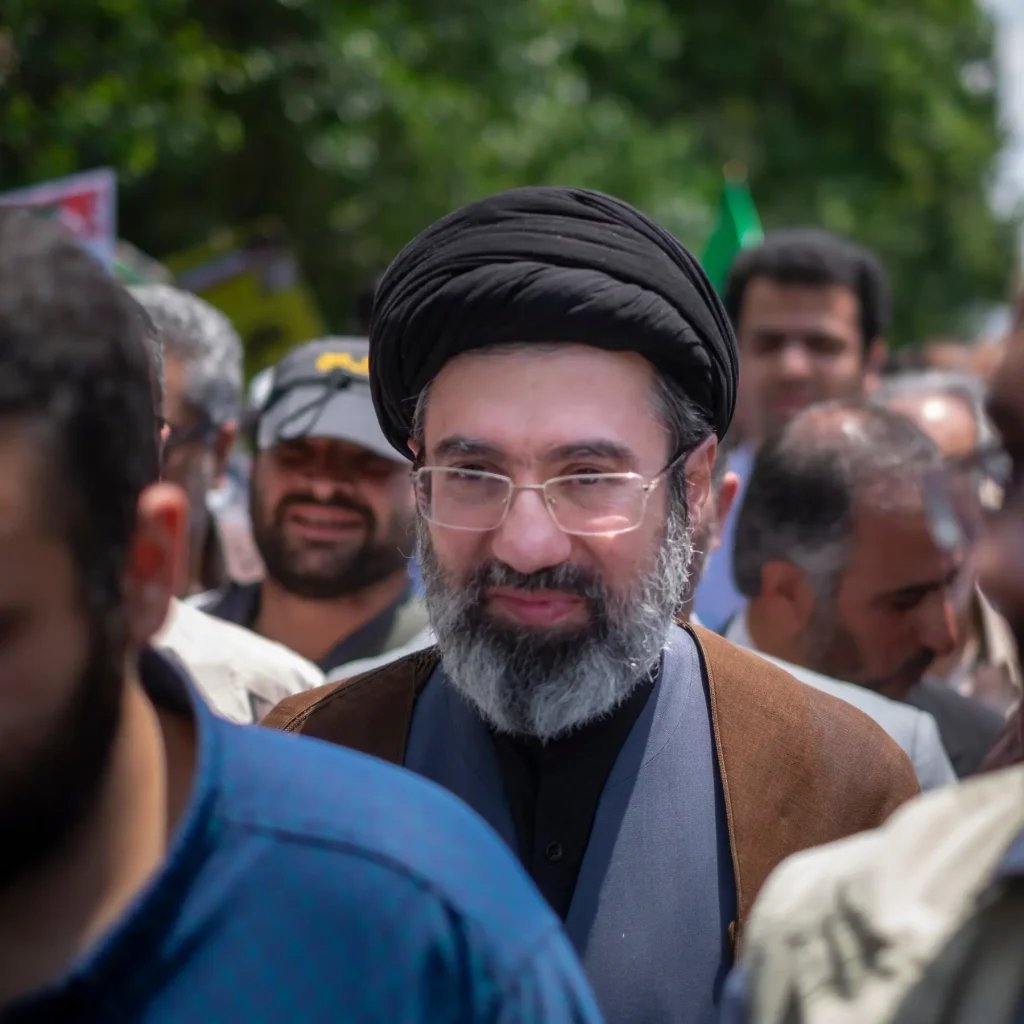
In parallel, the leadership succession process is moving under extraordinary wartime pressure. Senior Shiite clerics tasked with selecting the next supreme leader have continued deliberations, with a possible announcement expected as early as Wednesday. Reporting describes Mojtaba Khamenei — the slain leader’s son — as a leading contender, according to officials familiar with the discussions.
On the battlefield, Israel’s campaign is increasingly described not only as a strike effort against strategic military assets but as an attempt to degrade Iran’s internal control apparatus. The Israeli military has said it struck targets linked to the Basij and other internal security bodies — institutions associated with suppressing protests and enforcing regime authority.
Israel’s defense minister has also issued an explicit deterrent threat: any successor who continues Khamenei’s ideology, he said, would become a target as well — a statement that raises the cost of a rapid, public succession announcement and forces the question of whether Tehran can safely “surface” a new leader in real time.
Meanwhile, U.S. officials have publicly framed the strikes as tied to national security threats and collective self-defense, while acknowledging uncertainty about the scope and duration of further military operations.
(Analysis)
The conflict is shifting from “capability destruction” toward “governance disruption.” The Wall Street Journal’s framing is that Israel is targeting the institutions of internal repression to reduce the regime’s ability to contain unrest — effectively testing whether weakening the police state can create political opening.
But airpower alone rarely produces regime collapse when the state retains coercive capacity and command continuity. That makes the succession process itself the central strategic variable: the moment Tehran names a new supreme leader, it defines the regime’s continuity — and, under Israel’s declared logic, it may also define the next high-value target.
In short, the succession mechanism is no longer a domestic constitutional procedure operating alongside the war; it is becoming one of the war’s decisive arenas.
What’s next?
• Succession timing: Whether Tehran announces quickly or extends an interim arrangement under heightened secrecy.
• Target set evolution: Whether strikes keep expanding against internal security organs or pivot back toward conventional strategic infrastructure.
• Escalation signaling: Any further explicit threats against the next leader will shape Tehran’s incentives — delay, concealment, or selection of a figure most acceptable to the security apparatus.