
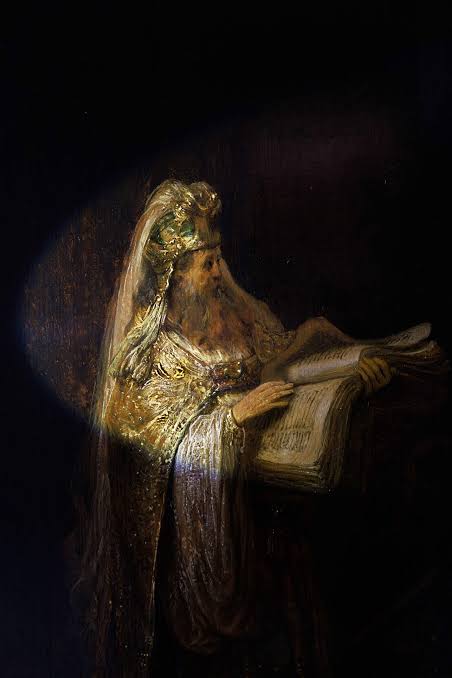
Researchers at Amsterdam’s Rijksmuseum have authenticated Vision of Zacharias in the Temple (1633) as a genuine early painting by Rembrandt van Rijn, after it spent decades in a private home without broad recognition. The museum said the two-year investigation used modern technical analysis—including macro X-ray fluorescence scanning and dendrochronology (tree-ring dating of the panel)—to link the materials and execution to Rembrandt’s early Amsterdam period.
The reattribution is a market-moving shift: the painting had previously been excluded from the accepted Rembrandt corpus and was often treated as the work of a follower, but the museum’s findings effectively move it into the “institutional validation” category that collectors and auction specialists prize for risk reduction.
That context matters in 2026. Artsy’s market outlook argues public auctions this year should increasingly favor works that have “already weathered multiple economic cycles” and, crucially, carry institutional validation—precisely the credential a Rijksmuseum authentication confers. And the Old Masters segment has already shown momentum: Christie’s reported $54.13 million for its February 2026 Old Masters sale in New York, its strongest total there since 2012.