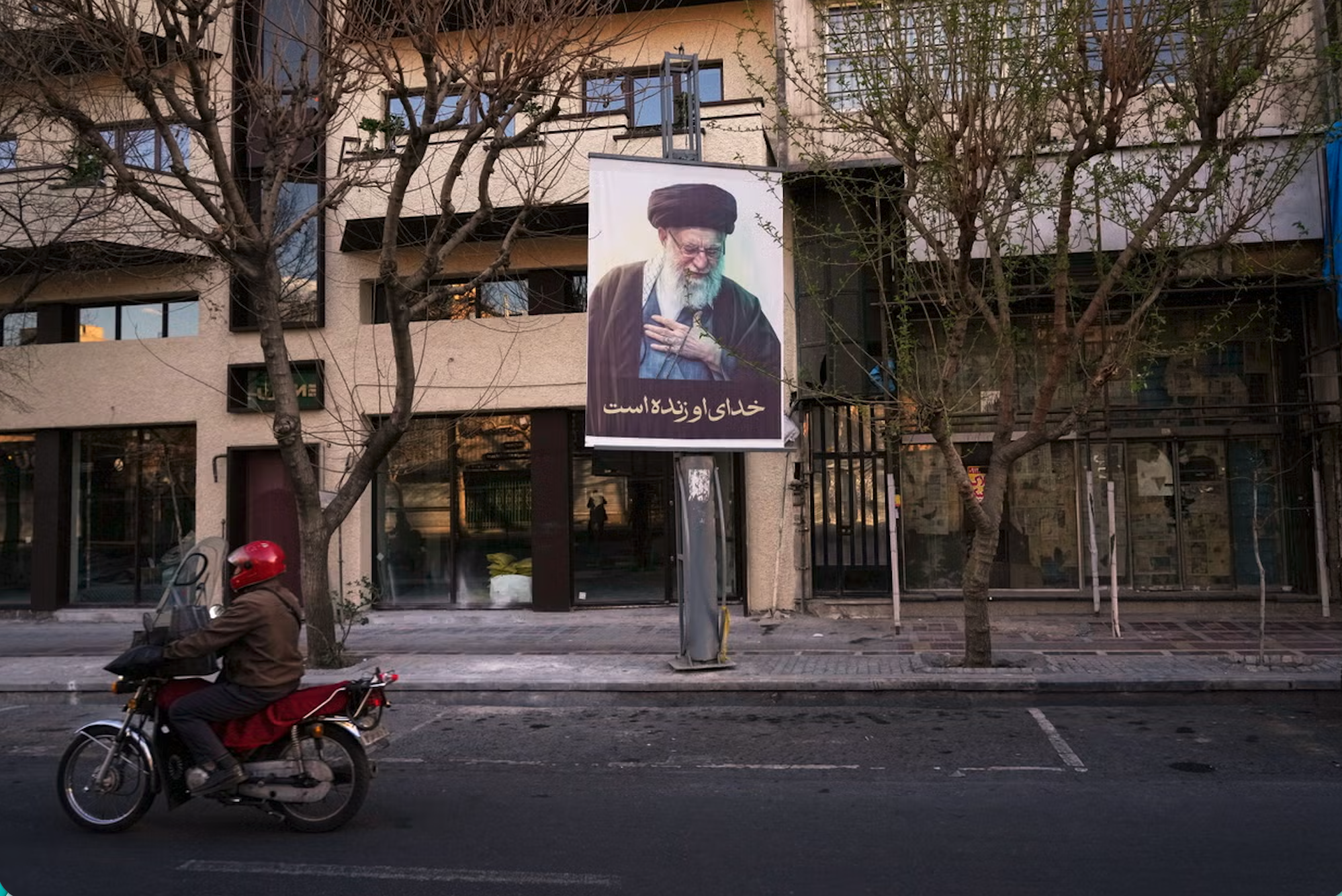
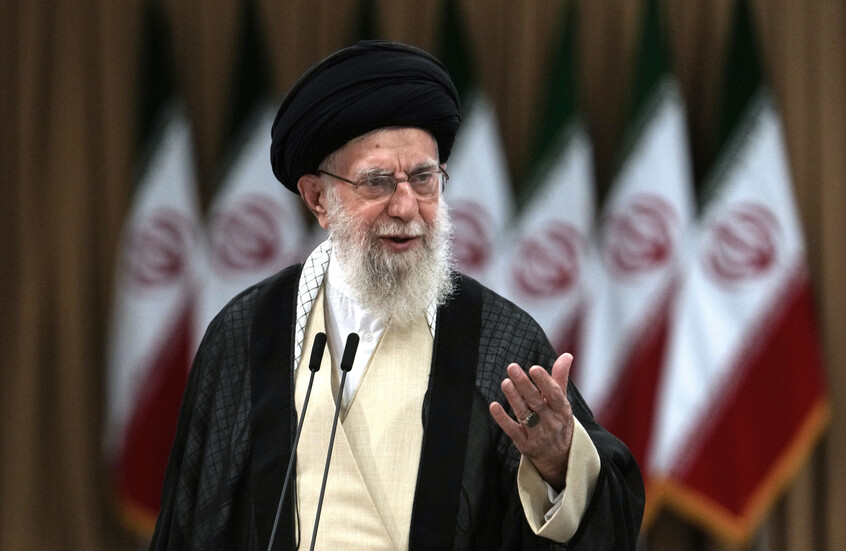
Israel’s government has signaled—more directly than at any previous point—that Iran’s Supreme Leader Ali Khamenei may have been killed during the initial phase of a joint U.S.-Israeli campaign against Iran.
In a video statement, Prime Minister Benjamin Netanyahu said airstrikes destroyed Khamenei’s compound and that there are many signs the Iranian leader is no longer alive. Israeli coverage and live updates went further, citing Israeli officials who said Khamenei was killed, alongside claims that the opening strikes targeted senior Iranian security leadership.
Iran, meanwhile, has not issued a definitive public confirmation of Khamenei’s death in the sources available, and state media cited an official in the Supreme Leader’s office urging the public to treat the claim as mental warfare.
Separately, U.S. coverage reported the State Department issued a worldwide caution after the strikes, urging Americans to follow embassy security alerts and warning of travel disruptions tied to airspace closures.
⸻
Detail
•Netanyahu said the strikes destroyed Khamenei’s compound and claimed many signs indicate he is no longer alive; he also framed the campaign as aimed at Iran’s military and nuclear-linked leadership.
•Israel’s military said the opening strikes were launched as a surprise attack after intelligence identified locations where senior Iranian security figures convened, and it published names of officials it said were killed.
•Iranian state media cited a senior public-relations official at the Supreme Leader’s office saying the enemy is resorting to mental warfare, rejecting the death claims.
•Reuters also reported a senior Israeli official saying Khamenei was killed, while noting Iran has not confirmed the claim.
•U.S. reporting said the State Department issued a worldwide caution and advised Americans to follow embassy guidance, warning that travelers may face disruptions as airspaces close intermittently.
⸻
(Analysis) What would Khamenei’s exit mean right now?
•Succession under fire: In Iran’s system, the Supreme Leader is the apex of the political-security order. If Khamenei is gone during active conflict, the succession process becomes an emergency security operation—not a routine clerical decision—raising the odds of a closed, hardline outcome rather than liberalization.
•Power gravitates to the security state: Even though the Assembly of Experts is constitutionally tasked with selecting the leader, wartime conditions and the IRGC’s institutional weight could pull real power toward the most operationally capable actors.
•Deterrence and domestic control: The mere fact Israel is publicly floating an assassination outcome undermines the aura of invulnerability around the leadership. That can tighten domestic security, accelerate elite consolidation, and increase the regime’s incentive to retaliate externally to restore deterrence.
•Negotiations become structurally harder: If leadership transition is driven by crisis politics, any diplomatic channel—especially on the nuclear file—risks being subordinated to legitimacy and survival imperatives.
⸻
What next?
•Watch for proof-of-life or confirmation from Tehran: a recorded address, official obituary, funeral arrangements, or explicit denial by a named institution.
•Track whether the Assembly of Experts signals an emergency convening, and whether IRGC-linked figures dominate public messaging and crisis management.
•Monitor regional escalation indicators: strikes on U.S. bases, Gulf airspace closures, and shipping risk in the Strait of Hormuz.
⸻
Khamenei in brief
Ali Khamenei served as Iran’s president from 1981 to 1989 and became Supreme Leader in 1989, the country’s highest authority, with ultimate control over the armed forces and key state institutions.
Under Iran’s constitution, the Assembly of Experts is tasked with selecting the Supreme Leader, with succession provisions set out in constitutional articles governing appointment and replacement.
⸻
Sources
•Reuters: Netanyahu says there are many signs Khamenei is no longer alive.
• (liveblog): Israeli military claims about targets and senior Iranian figures killed.
•Guardian (live coverage): Netanyahu line and broader live updates.
• pick-ups on the Supreme Leader office message (mental warfare framing).
•: U.S. State Department worldwide caution language.
•Encyclopaedia Britannica: Khamenei bio and tenure timeline.
•Iran constitution reference page (articles on leadership selection and replacement).